
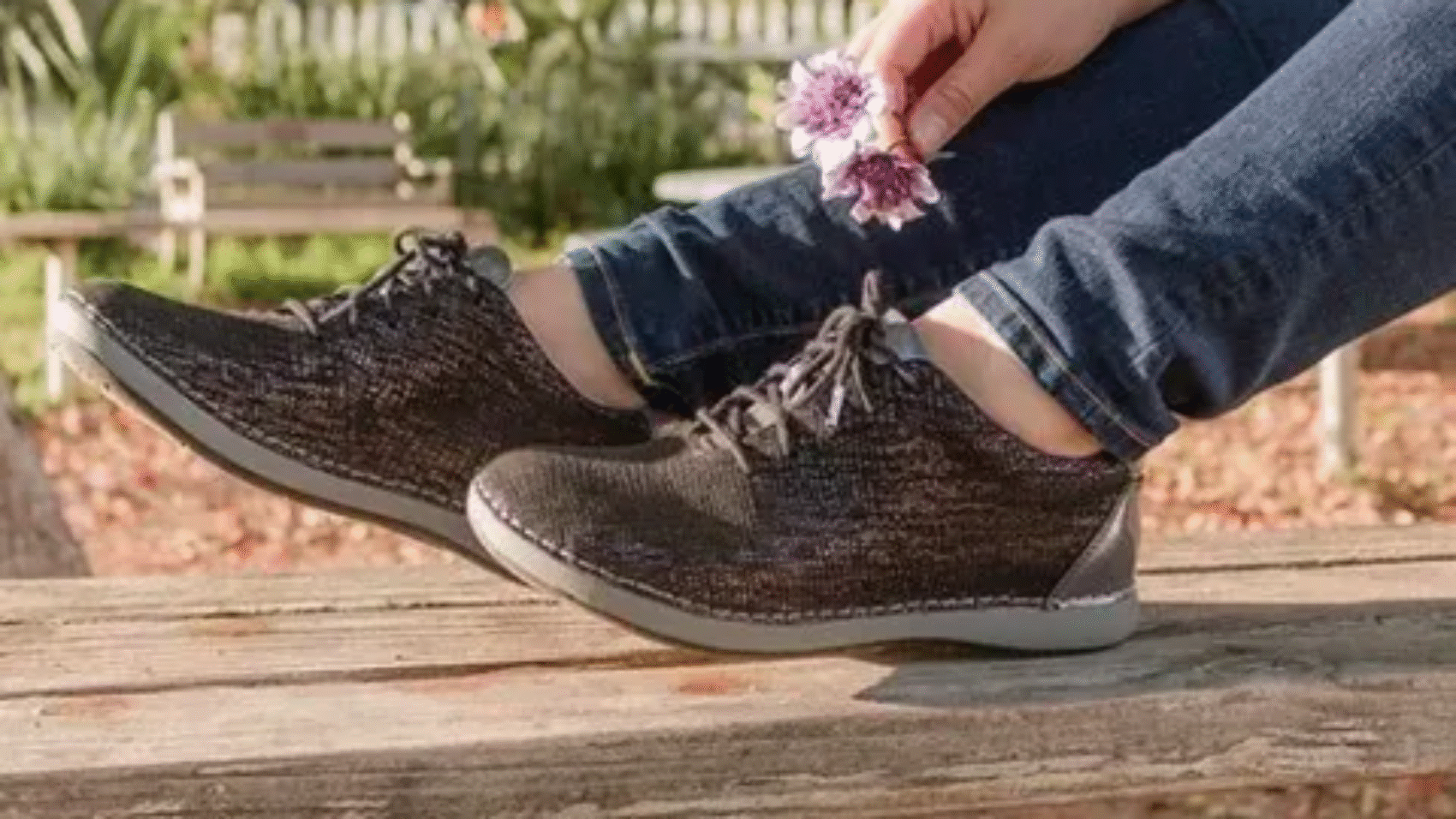
Flat feet can cause daily discomfort and pain if the wrong shoes are worn. Many people with flat feet struggle with foot pain, heel pain, knee pain, or even back pain without realizing that footwear plays a huge role. Choosing the best shoes for flat feet pain relief can make a big difference in how you walk, stand, and feel throughout the day.
In this article, we will explain what flat feet are, why pain happens, what features to look for in shoes, and which types of shoes work best. This guide is written in a simple and human way so anyone can understand and apply the advice.
What Are Flat Feet?
Flat feet, also known as fallen arches, happen when the arch of the foot is very low or completely flat. When standing, the entire foot touches the ground instead of having a visible curve in the middle.
Some people are born with flat feet, while others develop them over time due to aging, injury, weight gain, or long hours of standing. Flat feet are common, and many people live with them without pain. However, for others, flat feet can lead to discomfort and long-term problems.
Why Do Flat Feet Cause Pain?
Flat feet can cause pain because the foot does not distribute body weight evenly. Without proper arch support, pressure increases on certain areas like the heels, ankles, and inner foot.
Common pain problems include:
- Heel pain
- Arch pain
- Ankle pain
- Knee pain
- Lower back pain
- Tired feet after walking or standing
Wearing the wrong shoes makes these problems worse. Shoes without support force the foot to work harder, which leads to muscle strain and joint stress.
How the Right Shoes Help Flat Feet Pain Relief
The best shoes for flat feet pain relief help by supporting the natural structure of the foot. They reduce stress on muscles, improve posture, and allow smoother movement.
Good shoes can:
- Reduce foot fatigue
- Improve balance
- Support proper walking motion
- Lower pressure on joints
- Prevent long-term pain
That is why choosing the right footwear is one of the most effective solutions for flat feet pain.
Key Features to Look for in Shoes for Flat Feet
When shopping for shoes, focus on features that support and protect your feet. Here are the most important ones:
1. Strong Arch Support
Flat feet need firm arch support to prevent the foot from collapsing inward. This support helps align the ankles and knees properly.
2. Cushioned Midsole
Cushioning absorbs shock when you walk or run. This reduces pressure on the heels and joints and adds comfort for all-day wear.
3. Stable Heel Counter
A firm heel counter (the back part of the shoe) keeps the heel in place and prevents excessive movement. This adds stability and reduces ankle pain.
4. Wide Toe Box
A wide toe area allows toes to spread naturally. This prevents pressure, bunions, and discomfort, especially during long walks.
5. Motion Control or Stability Design
Shoes with motion control features help stop overpronation, which is common in people with flat feet. Overpronation happens when the foot rolls inward too much.
Best Types of Shoes for Flat Feet Pain Relief
Different activities require different shoes. Below are the best shoe types for people with flat feet.
Walking Shoes
Walking shoes are ideal for daily activities. They offer moderate cushioning and strong support. Good walking shoes help reduce foot pain during errands, work, or casual strolls.
Look for:
- Firm soles
- Arch support
- Lightweight materials
Walking shoes are perfect for people who spend many hours on their feet.
Running Shoes
People with flat feet need stability or motion-control running shoes. These shoes support proper foot movement and reduce stress during high-impact activities.
They are best for:
- Jogging
- Gym workouts
- Sports activities
Good running shoes can prevent injuries and improve performance.
Work Shoes
Work shoes are important for people who stand all day, such as nurses, teachers, and retail workers. These shoes should provide long-lasting comfort and support.
Key features include:
- Slip-resistant soles
- Extra cushioning
- Strong arch support
Work shoes should feel comfortable from morning to night.
Casual Everyday Shoes
Casual shoes for flat feet should still offer structure and support. Avoid completely flat shoes like flip-flops or thin sandals.
Choose casual shoes with:
- Built-in arch support
- Slight heel elevation
- Flexible but firm soles
Comfort should always come before style.
Sandals for Flat Feet
Many people think sandals are bad for flat feet, but supportive sandals do exist. The best sandals have contoured footbeds and adjustable straps.
Good sandals can:
- Reduce summer foot pain
- Offer airflow
- Support the arch
Avoid flat, thin sandals with no structure.
Mistakes to Avoid When Buying Shoes for Flat Feet
Even with good intentions, many people make mistakes when buying shoes. Here are some common ones to avoid:
- Choosing shoes based only on style
- Buying shoes without arch support
- Wearing worn-out shoes too long
- Buying shoes that are too narrow
- Ignoring foot pain
Always test shoes by walking around and checking comfort.
Should You Use Insoles with Flat Feet?
Yes, insoles can be very helpful. Orthotic insoles provide extra arch support and cushioning. They can be placed inside many shoes to improve comfort.
Insoles are useful if:
- Shoes lack enough support
- Pain continues despite good shoes
- You have severe flat feet
Custom orthotics offer the best fit, but store-bought options can also help.
How to Know If a Shoe Is Right for You
A good shoe for flat feet should feel comfortable immediately. There should be no pain, pinching, or pressure.
Check for:
- Comfortable arch feel
- Stable walking motion
- No heel slipping
- Enough room for toes
If pain appears after wearing them, they may not be the right choice.
Long-Term Benefits of Wearing the Best Shoes for Flat Feet Pain Relief
Wearing supportive shoes consistently can improve your quality of life. Over time, you may notice:
- Less daily foot pain
- Better posture
- Reduced joint strain
- Improved walking comfort
- More energy throughout the day
Shoes are not just fashion items; they are tools for health.
Final Thoughts
Finding the best shoes for flat feet pain relief does not have to be difficult. By understanding your feet and choosing shoes with proper support, cushioning, and stability, you can greatly reduce pain and discomfort.
Flat feet are common, but pain is not something you have to live with. The right shoes can protect your feet, support your body, and help you move comfortably every day. Always prioritize comfort, support, and fit over appearance.
Frequently Asked Questions (FAQs)
1. Can flat feet be cured with shoes?
Shoes cannot cure flat feet, but they can reduce pain and prevent further problems. Proper footwear provides support and improves comfort.
2. Are flat shoes bad for flat feet?
Yes, completely flat shoes usually lack arch support and cushioning, which can worsen pain and discomfort for flat feet.
3. How often should I replace shoes for flat feet?
Shoes should be replaced every 6 to 12 months, depending on use. Worn-out shoes lose support and cushioning.
4. Are expensive shoes better for flat feet?
Not always. The best shoes are the ones with proper arch support, stability, and comfort, regardless of price.
5. Can flat feet cause knee or back pain?
Yes, flat feet can affect body alignment and lead to knee, hip, and back pain if not properly supported.