
Developing specific skills can strengthen overall mental health and help create a balanced daily routine. These practices are methods for managing thoughts, emotions, and interactions with others, which are beneficial aspects of mental health. Integrating these techniques into daily life can improve your ability to navigate various situations, and establishing a baseline for your mental health is a step toward maintaining personal stability.
Build Emotional Awareness
Understanding your emotional state is a component of personal management. This consists of noticing what you are feeling and identifying the triggers behind those emotions. Practicing this awareness can help you respond to situations with greater intention, making more thoughtful choices. Developing a better grasp of your emotional state is a skill for mental health that allows for more measured reactions to both internal and external events.
Manage Stress Effectively
While stress is a common experience, learning to manage it is a skill for maintaining mental health. There are some techniques that can help you regulate your body’s stress response and reduce the effects of chronic stress:
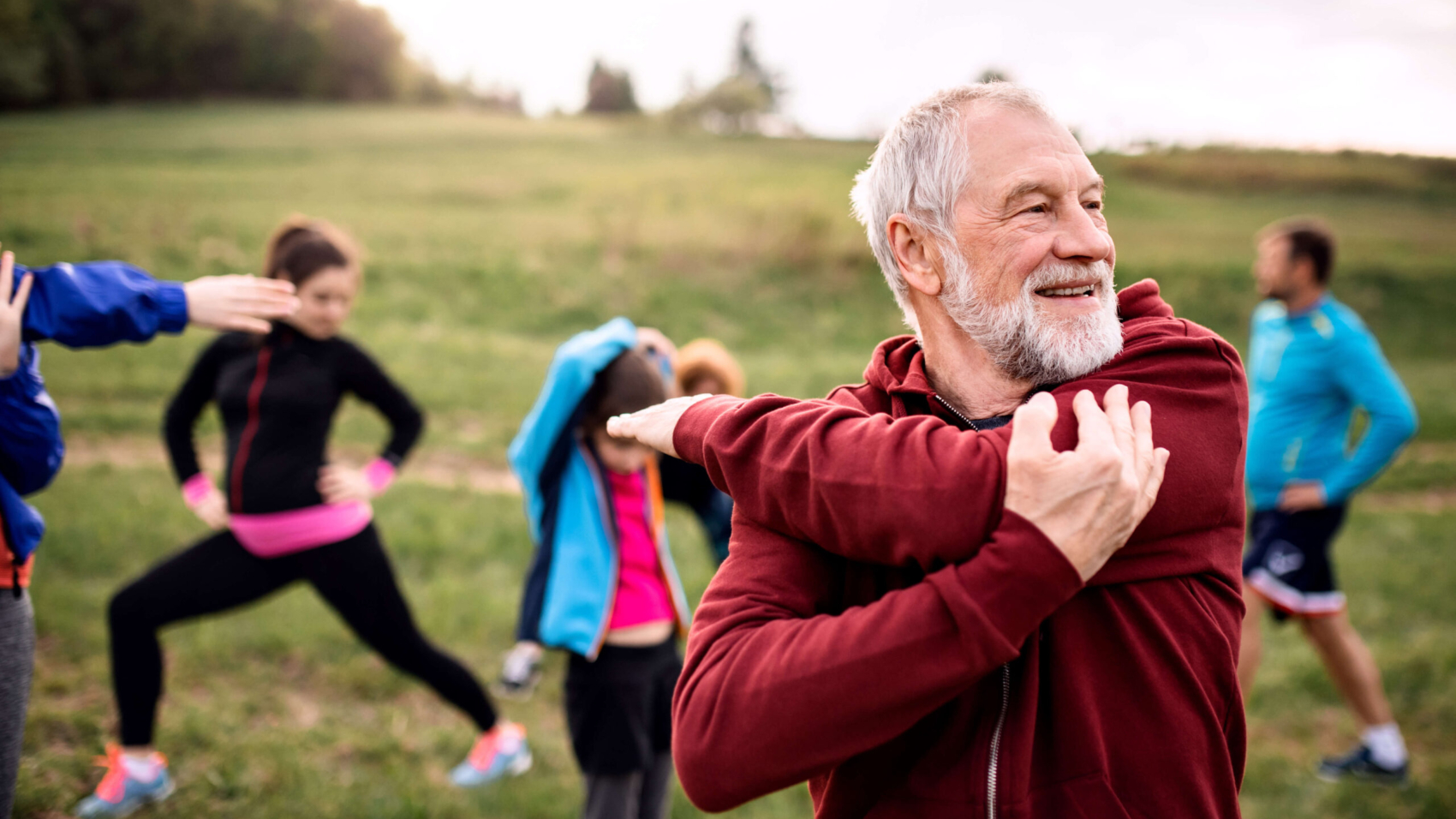
- Practice breathing and movement: Techniques such as slow breathing exercises or routine physical activity may help alleviate physiological stress.
- Identify stressors: Noticing the specific sources of your stress allows you to address them directly rather than reacting to vague feelings of tension.
- Develop proactive strategies: Once stressors are identified, you can either modify the situation or intentionally change your emotional and physical reactions to it.
Practice Healthy Thinking
How you interpret events can influence your emotional and behavioral responses. Practicing healthy thinking involves identifying, challenging, and reframing unhelpful thought patterns. One way to do this is to question the evidence for a distressing thought and then explore alternative perspectives. This practice does not mean ignoring difficulties; instead, it provides a method for assessing situations and reducing the impact of automatic, unhelpful thoughts.
Strengthen Daily Resilience
Resilience is the ability to adapt to and recover from adversity. It is not about avoiding difficulty, but about developing the ability to cope with difficulties and come back after difficulties. You can strengthen this quality with regular habits and a beneficial lifestyle, such as:
- Build strong social connections: Nurture relationships with family, friends, and community members who can provide support.
- Maintain a sense of purpose: Focus on what matters to you and engage in activities that align with your values.
- Engage in meaningful activities: Participate in hobbies and pursuits that you find enjoyable and fulfilling.
Improve Communication Skills
Clear and respectful communication can prevent misunderstandings and strengthen relationships. This skill involves both expressing your own thoughts and feelings clearly and listening actively to others. Using “I” statements to express your perspective without blaming others is a helpful technique. Practicing active listening, which includes paying full attention and providing feedback, can help others feel heard and understood.
Put Mental Health Skills Into Practice
Your overall health involves both physical and psychological components. An integrated approach to healthcare acknowledges the connection between the mind and body, providing a complete picture of your well-being. Discussing your mental health with a primary care provider is a step toward forward. To learn more, contact a specialist to schedule a consultation.