
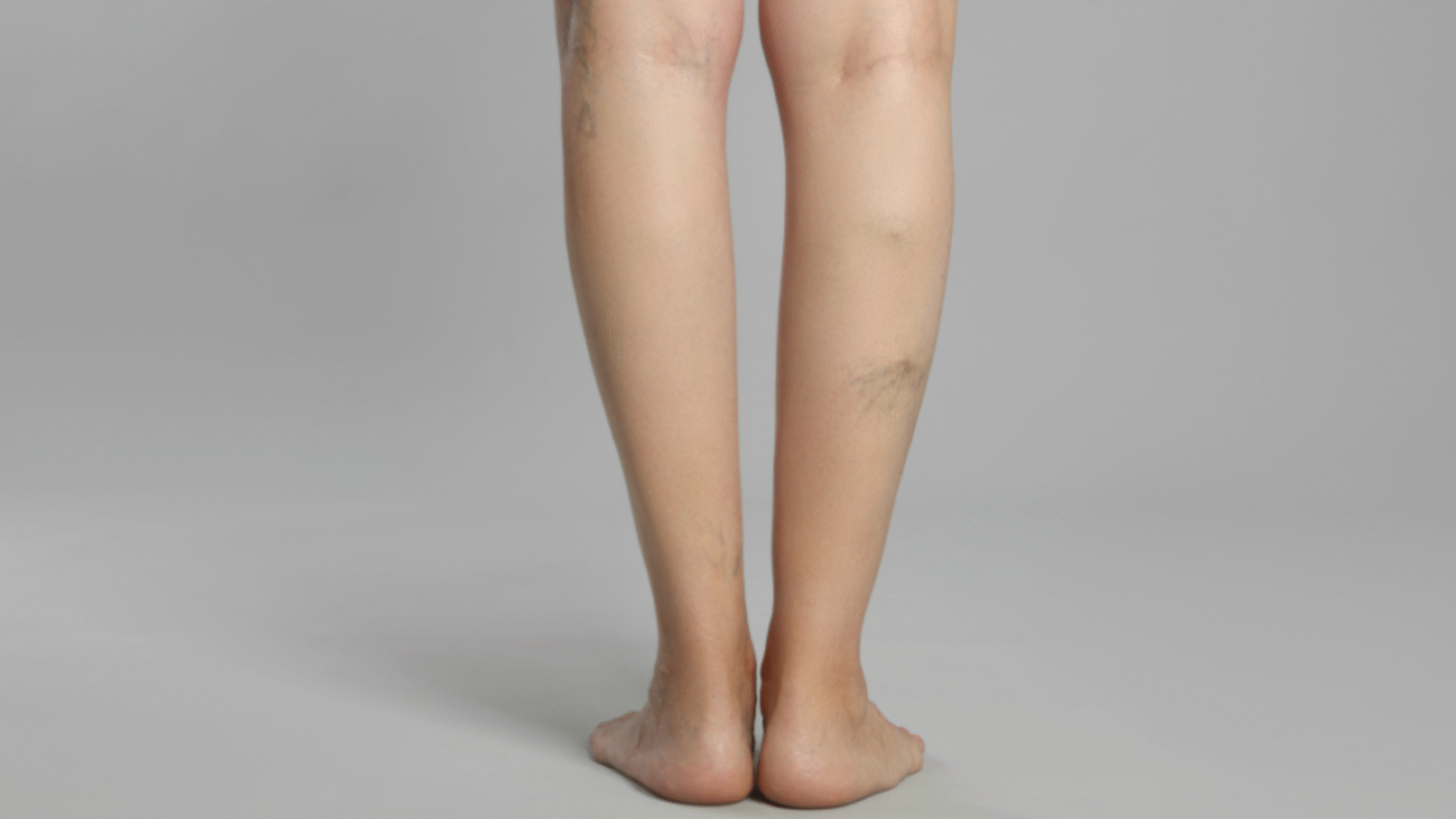
Varicose veins are a common medical condition characterized by enlarged, twisted veins that often appear blue or dark purple. They occur in the legs, feet, and ankles. They are often a cosmetic concern, but they can also cause discomfort and lead to more serious health problems if left unmanaged. Here is more information on this condition, including its causes, symptoms, and practical lifestyle adjustments for prevention:
What Are Varicose Veins?
Varicose veins occur when veins become enlarged, dilated, and overfilled with blood. Veins contain one-way valves that prevent blood from flowing backward as it travels to the heart. When these valves fail or become weak, blood pools in the veins, and this causes them to stretch and swell.
The condition most commonly affects the superficial veins of the legs, which are subject to high pressure when standing or walking. Spider veins are a milder variation of varicose veins, and true varicose veins are larger and often bulge above the surface of the skin. They indicate an underlying issue of venous insufficiency, in which the veins have difficulty sending blood from the limbs back to the heart.
What Causes Them?
Several factors contribute to the weakening of vein valves and walls. Age is a primary factor, as veins lose elasticity and valves wear down over time, allowing blood to flow backward. Pregnancy increases blood volume but decreases blood flow from the legs to the pelvis, which can enlarge the veins. If other family members have had varicose veins, there is a higher likelihood of developing them.
What Are the Symptoms?
Symptoms vary in severity among patients. Visually, veins may appear dark purple or blue and may look twisted or bulging, like cords, on the legs. Some individuals experience no physical pain, while others report significant discomfort.
Common physical symptoms include an achy or heavy feeling in the legs, as well as burning, throbbing, muscle cramping, and swelling in the lower legs. Pain may worsen after sitting or standing for a long time. In more advanced cases, skin discoloration or ulcers may develop near the ankle; this requires immediate medical attention.
How Can You Prevent Them?
Improving circulation and muscle tone can reduce the risk of developing varicose veins or getting new ones. Regular physical activity encourages blood circulation in the legs, which helps push blood back up to the heart. Avoiding high heels and tight hosiery is recommended to improve blood flow, and changing sitting or standing positions regularly is beneficial.
Maintaining a healthy weight removes excess pressure on the veins. A low-salt diet helps prevent water retention, which can cause swelling. Elevating the legs above heart level for short periods throughout the day also helps gravity move blood toward the heart, and this helps reduce symptoms.
How Are Lifestyle Changes Beneficial?
Adopting specific lifestyle changes impacts vascular health and symptom management. Regular exercise, such as walking or swimming, engages the calf muscles, acting as a pump to assist venous return, and this mechanical assistance relieves pressure on the venous valves. Dietary adjustments also play a role in vein health.
Seek Professional Guidance Today
While lifestyle changes are effective for prevention and symptom management, they do not cure existing varicose veins. Patients experiencing persistent pain, swelling, or skin changes should consult a healthcare provider. Medical professionals can offer a diagnosis and recommend appropriate treatments ranging from compression stockings to minimally invasive procedures. Contact a vein specialist today and learn about options for managing this condition.