
Choosing the right birth control is an important decision for women. It’s not only about preventing pregnancy but also about managing health, lifestyle, and comfort. With so many options available, it can feel overwhelming to figure out what’s best. This guide will explain the most effective and popular birth control methods, how they work, and how to choose the one that suits you.
Why Birth Control Matters
Birth control allows women to take control of their reproductive health. It helps in planning pregnancies, managing menstrual cycles, reducing menstrual cramps, and even treating certain medical conditions like acne or endometriosis. Beyond pregnancy prevention, some methods offer extra benefits that improve overall well-being.
Types of Birth Control for Women
Birth control methods can be grouped into several categories: hormonal methods, barrier methods, intrauterine devices (IUDs), fertility awareness, and permanent methods. Let’s explore each one.
1. Hormonal Methods
Hormonal birth control works by altering a woman’s hormone levels to prevent ovulation (release of an egg). These methods are very effective when used correctly.
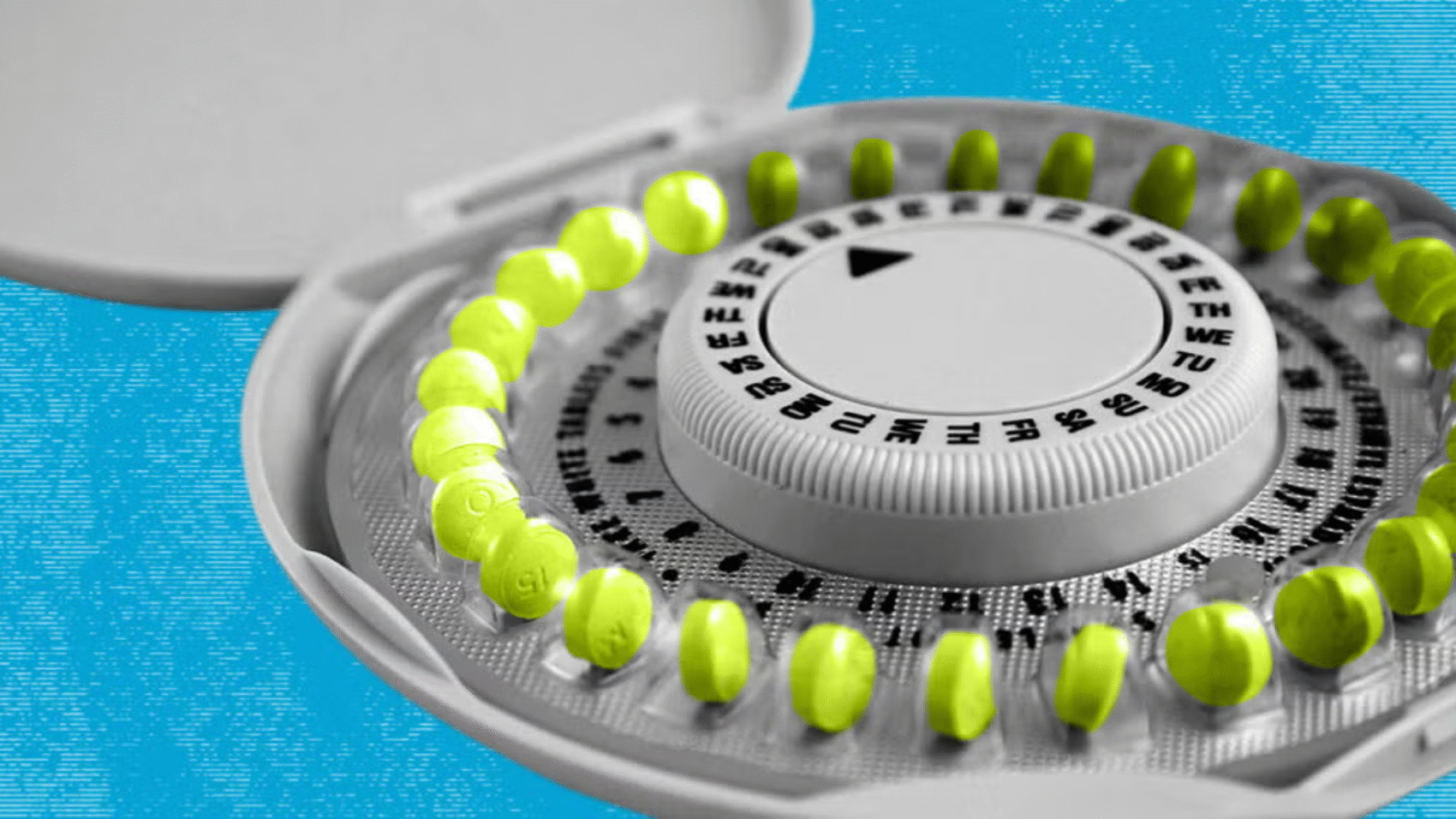
a. Birth Control Pills
- How they work: Pills contain estrogen and progestin, or just progestin, which prevent ovulation.
- Benefits: Can regulate periods, reduce cramps, help with acne.
- Drawbacks: Must be taken daily at the same time; may cause nausea or mood changes in some women.
b. Birth Control Patch
- How it works: A small patch placed on the skin releases hormones into the bloodstream.
- Benefits: Easy to use; only needs to be changed once a week.
- Drawbacks: Can cause skin irritation; may be less effective in women over a certain weight.
c. Birth Control Shot (Depo-Provera)
- How it works: An injection of progestin every three months prevents ovulation.
- Benefits: Convenient for women who don’t want to take daily pills.
- Drawbacks: Can cause weight gain, irregular periods, or bone density loss with long-term use.
d. Vaginal Ring
- How it works: A small flexible ring inserted into the vagina releases hormones.
- Benefits: Only needs to be replaced monthly; discreet.
- Drawbacks: Some women may feel discomfort during insertion; must remember to remove and replace on time.
2. Barrier Methods
Barrier methods physically block sperm from reaching the egg. They are less effective than hormonal methods but are hormone-free and widely accessible.
a. Condoms
- How it works: A thin sheath worn over the penis or inside the vagina to prevent sperm from entering the uterus.
- Benefits: Protects against sexually transmitted infections (STIs); easy to use.
- Drawbacks: Must be used correctly every time; can break or slip.
b. Diaphragm or Cervical Cap
- How it works: Placed over the cervix before sex to block sperm. Often used with spermicide.
- Benefits: Reusable; no hormones.
- Drawbacks: Must be fitted by a healthcare provider; less convenient than other methods.
3. Intrauterine Devices (IUDs)
IUDs are small devices inserted into the uterus to prevent pregnancy. They can be hormonal or non-hormonal (copper).
a. Hormonal IUDs
- How it works: Releases small amounts of progestin to thicken cervical mucus and prevent ovulation.
- Benefits: Highly effective; lasts 3–7 years depending on type.
- Drawbacks: Insertion can be uncomfortable; irregular bleeding at first.
b. Copper IUDs
- How it works: Releases copper ions that are toxic to sperm.
- Benefits: Long-lasting (up to 10 years); hormone-free.
- Drawbacks: May cause heavier periods or cramps initially.
4. Fertility Awareness Methods
Also known as natural family planning, these methods rely on tracking menstrual cycles to avoid fertile days.
- How it works: Women monitor ovulation signs like basal body temperature or cervical mucus.
- Benefits: No hormones or devices; inexpensive.
- Drawbacks: Requires discipline and careful tracking; less reliable than other methods.
5. Permanent Methods
For women who are sure they do not want future pregnancies, permanent methods are available.
a. Tubal Ligation (“Tubes Tied”)
- How it works: Surgical procedure to block or seal the fallopian tubes.
- Benefits: Highly effective; permanent solution.
- Drawbacks: Surgery is required; difficult to reverse.
b. Essure (Non-Surgical Tubal Blockage)
- How it works: Small inserts block the fallopian tubes.
- Benefits: Non-surgical; permanent.
- Drawbacks: Not widely available now in many countries; potential complications.
How to Choose the Best Birth Control
Choosing the right birth control depends on several factors:
- Lifestyle: Daily pills require routine, while IUDs and implants are low-maintenance.
- Health: Some methods may not be suitable if you have certain conditions (like blood clots or hormonal sensitivities).
- Effectiveness: IUDs and implants are the most effective; barrier methods and fertility tracking are less reliable.
- Future Plans: Consider whether you want children in the near future or need a permanent solution.
- Side Effects: Every method has potential side effects. Discuss these with a healthcare provider.
It’s a good idea to talk openly with a gynecologist or healthcare provider to understand the options that best suit your body and lifestyle.
Common Myths About Birth Control
- “Birth control pills make you infertile.” False — fertility returns quickly after stopping most hormonal methods.
- “You can’t get pregnant while breastfeeding.” Partially true — only some methods are safe and effective during breastfeeding.
- “IUDs are only for women who have had children.” False — many women who haven’t had children use IUDs safely.
- “Birth control protects against all STIs.” False — only condoms provide STI protection.
Conclusion
There is no one-size-fits-all solution for birth control. The best option depends on your health, lifestyle, preferences, and reproductive goals. Hormonal methods like pills, patches, and rings are convenient for many, while IUDs and implants offer long-term protection. Barrier methods provide non-hormonal options, and permanent solutions are for women certain about not having more children. Understanding each method’s benefits and drawbacks is key to making an informed choice.
Frequently Asked Questions (FAQs)
1. What is the most effective birth control for women?
IUDs and implants are the most effective, with a success rate of over 99%.
2. Can birth control pills help with menstrual cramps?
Yes, hormonal pills often reduce cramps and regulate periods.
3. Are there birth control options safe during breastfeeding?
Yes, progestin-only pills, implants, and IUDs are generally safe while breastfeeding.
4. Do I need a prescription for all birth control methods?
No, some barrier methods like condoms are available over-the-counter, but most hormonal and IUD methods require a prescription.
5. Can I switch birth control methods if one doesn’t work for me?
Absolutely. Many women try different methods until they find one that fits their lifestyle and body.