
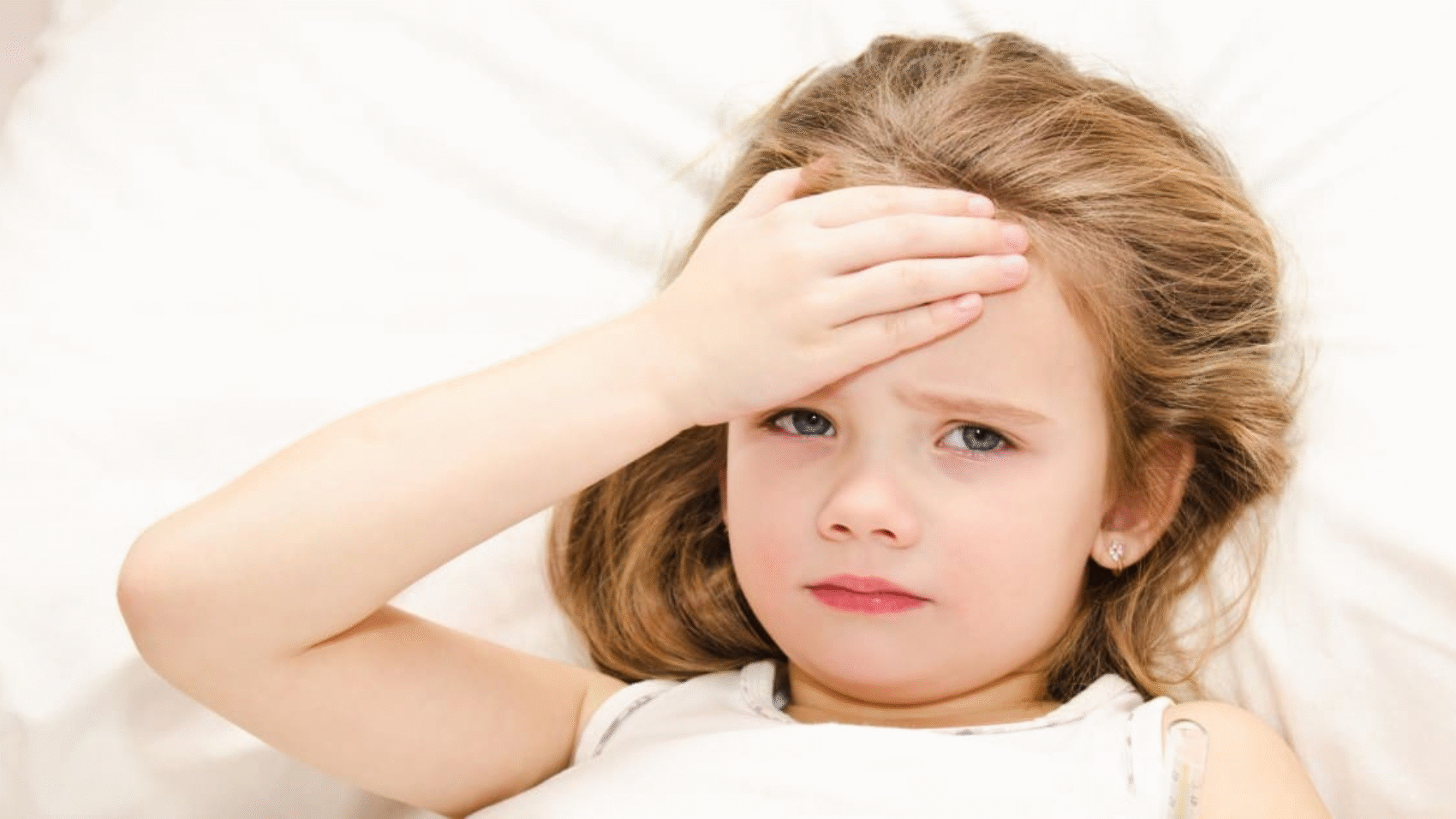
Childhood is a wonderful time filled with curiosity, play, and growth. But it’s also a time when children are more prone to illnesses because their immune systems are still developing. As a parent or caregiver, understanding common childhood illnesses and their symptoms can help you identify problems early, provide comfort, and know when to seek medical care.
In this article, we will explore some of the most frequent illnesses children experience, their signs, and practical tips for managing them.
1. Common Cold
The common cold is perhaps the most familiar childhood illness. It’s caused by viruses and spreads easily, especially in schools and playgrounds.
Symptoms:
- Runny or stuffy nose
- Sneezing
- Mild cough
- Low-grade fever
- Fatigue or irritability
What to do:
- Keep your child hydrated
- Encourage rest
- Use saline nasal drops for congestion
- Seek medical care if the fever is high or persistent
Although colds are usually mild, they can sometimes lead to ear infections or sinus infections.
2. Influenza (Flu)
The flu is more severe than a cold and can make children feel very unwell quickly. Flu viruses change every year, which is why vaccines are recommended annually.
Symptoms:
- High fever
- Chills and shivering
- Muscle aches
- Headache
- Severe fatigue
- Cough and sore throat
What to do:
- Rest and fluids are crucial
- Keep your child home from school
- Consider antiviral medications if prescribed
- Monitor for breathing difficulties or dehydration
Flu complications can include pneumonia or worsening of chronic conditions, so early care is important.
3. Ear Infections
Ear infections are common, especially in children under five. They often occur after a cold or respiratory infection.
Symptoms:
- Ear pain or tugging at the ear
- Trouble sleeping
- Fluid drainage from the ear
- Fever
- Irritability or crying
What to do:
- A warm compress can help with pain
- Pain relief medication may be used
- Consult a doctor if symptoms persist or worsen
Prompt treatment prevents complications, such as hearing loss or more serious infections.
4. Chickenpox (Varicella)
Chickenpox is a contagious viral infection that usually affects children. Vaccines have reduced its prevalence but outbreaks still occur.
Symptoms:
- Itchy red spots that turn into blisters
- Fever
- Fatigue
- Loss of appetite
What to do:
- Keep your child home until all blisters have crusted
- Use soothing lotions or antihistamines for itching
- Avoid scratching to prevent infection
Most cases are mild, but chickenpox can be more severe in children with weakened immune systems.
5. Hand, Foot, and Mouth Disease
This viral illness is common among preschoolers and spreads easily through contact.
Symptoms:
- Sores in the mouth
- Rash on hands and feet
- Fever
- Poor appetite
- Irritability
What to do:
- Keep your child hydrated
- Offer soft foods to prevent mouth pain
- Maintain good hygiene to prevent spreading
Most children recover within a week without serious complications.
6. Stomach Flu (Gastroenteritis)
Stomach flu is caused by viruses or bacteria and affects the digestive system. It spreads through contaminated food, water, or close contact.
Symptoms:
- Nausea or vomiting
- Diarrhea
- Abdominal cramps
- Fever
- Dehydration (dry mouth, fewer wet diapers, lethargy)
What to do:
- Encourage small, frequent sips of water or oral rehydration solution
- Avoid sugary drinks
- Rest and light meals once vomiting stops
Severe dehydration or persistent vomiting requires medical attention.
7. Respiratory Infections (Bronchitis and Pneumonia)
Bronchitis and pneumonia involve inflammation of the airways and lungs. They are more serious than colds and require medical evaluation.
Symptoms:
- Persistent cough
- Rapid or labored breathing
- Wheezing or chest pain
- Fever and fatigue
What to do:
- Keep your child hydrated
- Monitor breathing closely
- Seek medical care promptly
Early treatment is critical, especially for young children or those with pre-existing conditions.
8. Conjunctivitis (Pink Eye)
Conjunctivitis is an infection or inflammation of the eye, often caused by bacteria, viruses, or allergens.
Symptoms:
- Red or pink eyes
- Itching or burning sensation
- Discharge that may crust over
- Tearing
What to do:
- Maintain good hand hygiene
- Avoid sharing towels or pillows
- Use prescribed eye drops if needed
Most cases resolve within one to two weeks.
9. Measles
Measles is a highly contagious viral illness, though rare due to vaccination.
Symptoms:
- High fever
- Cough, runny nose, red eyes
- Koplik spots (small white spots inside the mouth)
- Rash starting on the face and spreading
What to do:
- Ensure isolation to prevent spreading
- Provide supportive care
- Vaccination is the best prevention
Complications can include ear infections, pneumonia, and in severe cases, brain inflammation.
10. Common Skin Conditions (Rashes and Eczema)
Children often develop rashes from allergies, irritants, or infections. Eczema is a chronic condition causing dry, itchy skin.
Symptoms:
- Red, itchy, or inflamed patches
- Blisters or oozing in infections
- Dry, scaly skin in eczema
What to do:
- Moisturize regularly
- Avoid harsh soaps and detergents
- Seek medical advice for persistent or spreading rashes
Most skin conditions are manageable with proper care and medication if needed.
How to Protect Children from Illnesses
- Practice good hand hygiene
- Ensure vaccinations are up-to-date
- Encourage healthy eating and adequate sleep
- Teach children to cover their mouth when coughing or sneezing
- Avoid close contact with sick individuals
When to See a Doctor
While many childhood illnesses are mild and self-limiting, you should consult a healthcare provider if your child experiences:
- High or persistent fever
- Difficulty breathing
- Severe pain or lethargy
- Dehydration
- Unusual rashes or swelling
Early detection and treatment can prevent complications.
FAQs About Childhood Illnesses
1. How can I tell the difference between a cold and the flu in children?
Colds are usually milder, with runny nose and sneezing, while flu often comes with high fever, body aches, and fatigue.
2. Are antibiotics needed for childhood viral infections?
No. Antibiotics treat bacterial infections, not viral ones. Using them unnecessarily can cause resistance.
3. How can I help my child recover faster from illness?
Ensure rest, hydration, proper nutrition, and follow doctor’s advice for symptom management.
4. Can childhood illnesses affect long-term health?
Most common illnesses don’t, but repeated infections or serious complications can have an impact. Vaccination helps prevent severe outcomes.
5. Is it safe for my child to attend school when mildly sick?
Mild symptoms like a small runny nose may be okay, but children with fever, vomiting, or contagious illnesses should stay home.
Conclusion
Understanding common childhood illnesses and their symptoms equips parents and caregivers to provide the best care. While most illnesses are mild, vigilance, hygiene, and timely medical attention can prevent complications. Encouraging healthy habits and staying informed about vaccines ensures children grow strong, resilient, and ready for life’s adventures.