
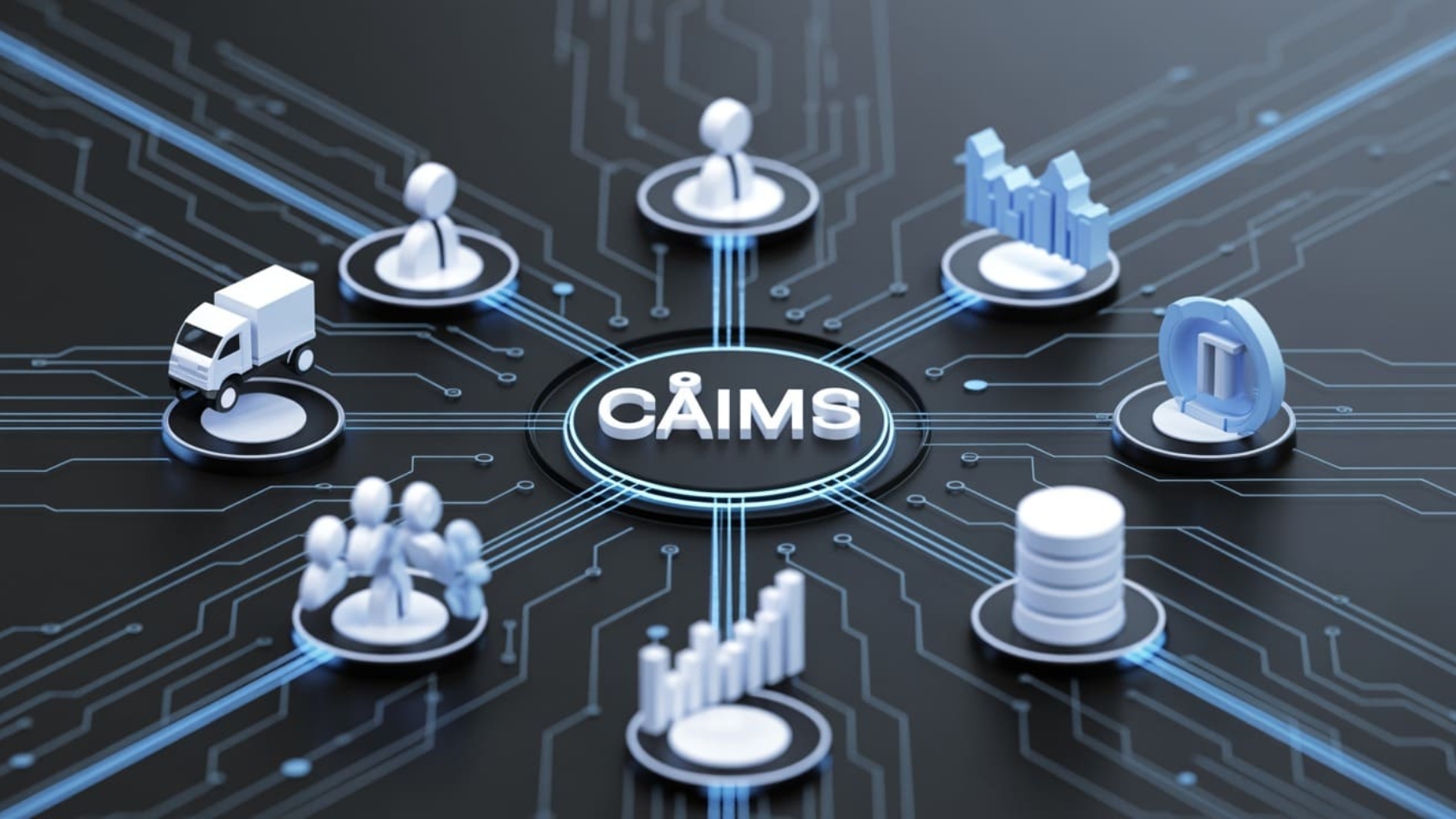
In today’s fast-changing digital world, businesses need more than just automated systems. They require tools that provide real-time insights, smarter decision-making, and the ability to grow. This is where CÑIMS (Coordinated Networked Intelligent Management Systems) comes in.
It’s a powerful framework that combines AI, real-time data, and seamless operations to help businesses work more efficiently. Stay tuned with us, we’ll break down how CÑIMS works, its benefits, and how it’s used across different industries. If you want to improve decision-making, reduce errors, and grow your business, CÑIMS is the solution you need.
What Is CÑIMS?
CÑIMS is a cutting-edge, AI-driven management system designed to streamline and optimize business operations. It integrates various departments and functions—such as logistics, human resources, finance, and IT—into a cohesive network that shares real-time data. By eliminating silos, CÑIMS fosters collaboration and enhances the overall efficiency of the organization.
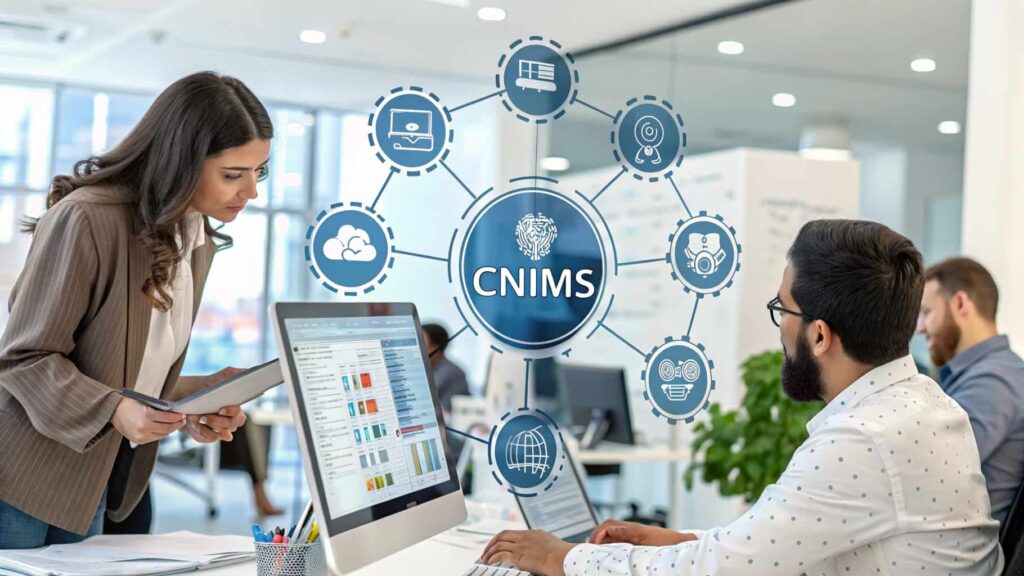
Unlike traditional enterprise systems, CÑIMS is not just a tool for automation; it is a real-time decision-making platform that uses artificial intelligence and machine learning algorithms to enable smarter, faster actions. Whether it’s making operational decisions, coordinating between departments, or managing data flow, CÑIMS acts as a digital brain that connects all aspects of a business in one unified ecosystem.
What Are The Key Components Of CÑIMS?
CÑIMS consists of several critical components that work together seamlessly to provide real-time, intelligent management. These components include:
AI and Reasoning Engine:
At the heart of CÑIMS is its AI engine, which utilizes advanced deep learning, neural networks, and rule-based logic. The engine processes large volumes of data in real-time, predicting outcomes and making autonomous decisions. By analyzing patterns and trends, the system can suggest actions or automatically execute them based on pre-set rules, ensuring optimal operational efficiency.
Modular Integration Framework:
CÑIMS uses a modular approach, where each department or business function operates in its own isolated module. This allows organizations to integrate new departments or functions without disrupting the entire system. The system uses APIs to facilitate communication between modules, ensuring seamless data sharing and decision-making across different business units.
Real-Time Data Collection:
One of the key features of CÑIMS is its ability to collect real-time data from various sources, such as IoT devices, sensors, applications, and external systems. This continuous flow of data enables the system to make decisions based on the most up-to-date information, helping businesses respond quickly to changing circumstances.
Edge and Cloud Hybrid Setup:
To reduce latency and improve processing speeds, CÑIMS operates on both edge devices and the cloud. Edge computing allows for faster data processing on local devices like smart sensors, while the cloud handles more intensive tasks, such as long-term data storage and complex analytics. This hybrid setup ensures that the system remains fast and reliable even in large-scale operations.
Human Oversight Interface:
While CÑIMS is designed to automate many business processes, it also includes a human oversight interface. This feature enables managers to review AI-driven decisions, override them when necessary, and set policies for system behavior. This oversight ensures that the system operates transparently, ethically, and in alignment with company values.
How Does CÑIMS Help Businesses Make Faster And Smarter Decisions?
By leveraging advanced AI and real-time data integration, CÑIMS empowers businesses to make faster, more informed decisions. Here’s how:

- Scalable Decision Framework: As businesses grow, CÑIMS scales to handle increasing data, ensuring decision-making remains swift and efficient even during periods of expansion.
- Real-Time Data Analysis: CÑIMS processes live data continuously, enabling businesses to act instantly without waiting for delayed reports or manual analysis.
- AI-Driven Insights: The AI engine predicts trends and recommends actions, ensuring businesses can make data-driven decisions quickly and accurately.
- Automated Decision-Making: Routine decisions are automated, reducing the time spent on manual intervention and allowing employees to focus on strategic tasks.
- Cross-Department Coordination: By connecting all business functions, CÑIMS ensures that decisions are based on a unified set of real-time data across departments.
What Are Some Key Industry Use Cases Of CÑIMS?
CÑIMS has the potential to revolutionize multiple industries by providing smarter, more efficient ways of managing operations. Here’s how different sectors can benefit from this technology:
Healthcare:
In the healthcare industry, CÑIMS can be used to manage patient records, monitor equipment availability, and predict staffing shortages. By analyzing medical histories, lab results, and patient data, CÑIMS can assist doctors in making faster, more accurate diagnoses. The system also helps hospitals optimize resource usage, reduce errors, and improve patient care.
Manufacturing:
For manufacturing companies, CÑIMS offers predictive maintenance capabilities. The system can monitor machine performance in real-time, alerting managers when maintenance is needed to avoid costly downtimes. Additionally, it helps track inventory, manage supply chains, and ensure that production schedules are met.
Finance:
Banks and financial institutions can use CÑIMS to detect fraud and monitor global financial markets. The system continuously analyzes transactions and flags suspicious activity for human review. It also helps with risk management by analyzing historical data and predicting future trends.
Retail and E-Commerce:
Retailers and e-commerce platforms can leverage CÑIMS to adjust pricing dynamically, track customer preferences, and manage inventory across multiple locations. The system can even provide insights into optimal product placements or suggest sales strategies to boost revenue.
Education:
In the education sector, CÑIMS can help manage admissions, faculty coordination, and student records. By analyzing data on student performance, CÑIMS can also offer personalized learning experiences tailored to individual needs, improving student outcomes and satisfaction.
Smart Cities;
Governments and municipalities can use CÑIMS to manage infrastructure in smart cities. From traffic management to waste control and energy usage, real-time data can improve public services and help reduce the environmental impact of urban living.
What Are The Key Challenges Businesses Face When Adopting CÑIMS?
While CÑIMS offers numerous benefits, businesses may encounter several challenges during its adoption. Here are the key obstacles to consider:

- Change Management: Shifting to a new system like CÑIMS can disrupt existing workflows. Proper change management strategies must be in place to help employees adapt and maximize the system’s potential.
- Legacy System Integration: Many organizations still rely on older systems that may not easily integrate with CÑIMS, requiring significant effort for data migration and system compatibility.
- Training and Skill Development: Employees will need adequate training to effectively use AI-powered tools and dashboards, which could take time and resources.
- High Initial Costs: The setup of CÑIMS involves upfront costs for infrastructure, cloud services, and software, which may pose a financial barrier for some businesses.
- Data Privacy and Security: Given the vast amounts of sensitive data handled by CÑIMS, businesses must ensure compliance with data protection regulations and implement robust security measures.
How To Implement CÑIMS In Your Organization?
To implement CÑIMS in your organization, start by assessing your current systems and identifying areas for integration. Next, choose the right modules that align with your business needs, ensuring they can easily connect through APIs.
Invest in proper infrastructure, including cloud services and hardware, to support the system. Train your employees on how to use the system effectively, focusing on AI tools and dashboards. Finally, ensure ongoing monitoring and optimization to maximize efficiency and stay adaptable as your business grows.
What Is The Technical Blueprint Of CÑIMS?
CÑIMS follows a layered architecture to ensure flexibility, security, and consistent performance:
| Layer | Technology Used | Purpose |
|---|---|---|
| Front-End | React, mobile-responsive dashboards | User access, alerts, controls |
| Middle Layer | API gateways, OAuth2, AI engines | Logic, security, decision routing |
| Data Layer | Snowflake, hybrid cloud, failover support | Data storage and synchronization |
| Analytics Engine | PyTorch, TensorFlow, LLM-based models | Predictive analytics and recommendations |
Why CÑIMS Is The Future Of Business Management?
CÑIMS is the future of business management because it combines AI, real-time data, and automation to streamline operations and improve decision-making. It helps businesses stay agile by enabling them to respond instantly to market changes with accurate, data-driven insights.

With its scalable modular design, CÑIMS grows with your business, adapting to new challenges and opportunities. It breaks down silos between departments, ensuring seamless collaboration and efficiency. As more industries embrace digital transformation, CÑIMS will become the standard platform for smart, future-ready enterprises.
FAQs:
What makes CÑIMS different from traditional ERP systems?
Unlike traditional ERP systems, CÑIMS uses real-time data processing, AI, and automation, enabling businesses to make immediate, data-driven decisions rather than relying on outdated reports.
Is CÑIMS scalable for growing businesses?
Yes, CÑIMS is designed to scale with your business. As your business expands, you can add more modules and extend the system without disrupting existing operations, ensuring seamless growth.
How long does it take to implement CÑIMS?
The implementation timeline can vary depending on the complexity of the system and the size of the business. Typically, businesses can start seeing benefits within a few months after setup and integration.
Can CÑIMS integrate with existing business systems?
Yes, CÑIMS is designed to integrate with existing systems using APIs and connectors. This allows businesses to continue using their legacy software while adding the benefits of CÑIMS.
How does the AI engine in CÑIMS work?
The AI engine in CÑIMS processes vast amounts of data in real-time, identifying patterns, predicting trends, and suggesting actions or making decisions autonomously to optimize business operations.
Can CÑIMS help businesses stay competitive in a digital-first world?
Absolutely. By enabling faster decision-making, improving efficiency, and integrating AI, CÑIMS positions businesses to be more agile and responsive, helping them stay ahead of competitors in an increasingly digital market.
Conclusion:
CÑIMS is not just another management system; it is the future of business operations in an increasingly digital world. By integrating AI, real-time data, and modular design, CÑIMS enables businesses to make smarter decisions, improve efficiency, and scale operations effortlessly.
As industries continue to evolve, adopting CÑIMS will give organizations the edge they need to thrive in the modern economy.
Also Read: