
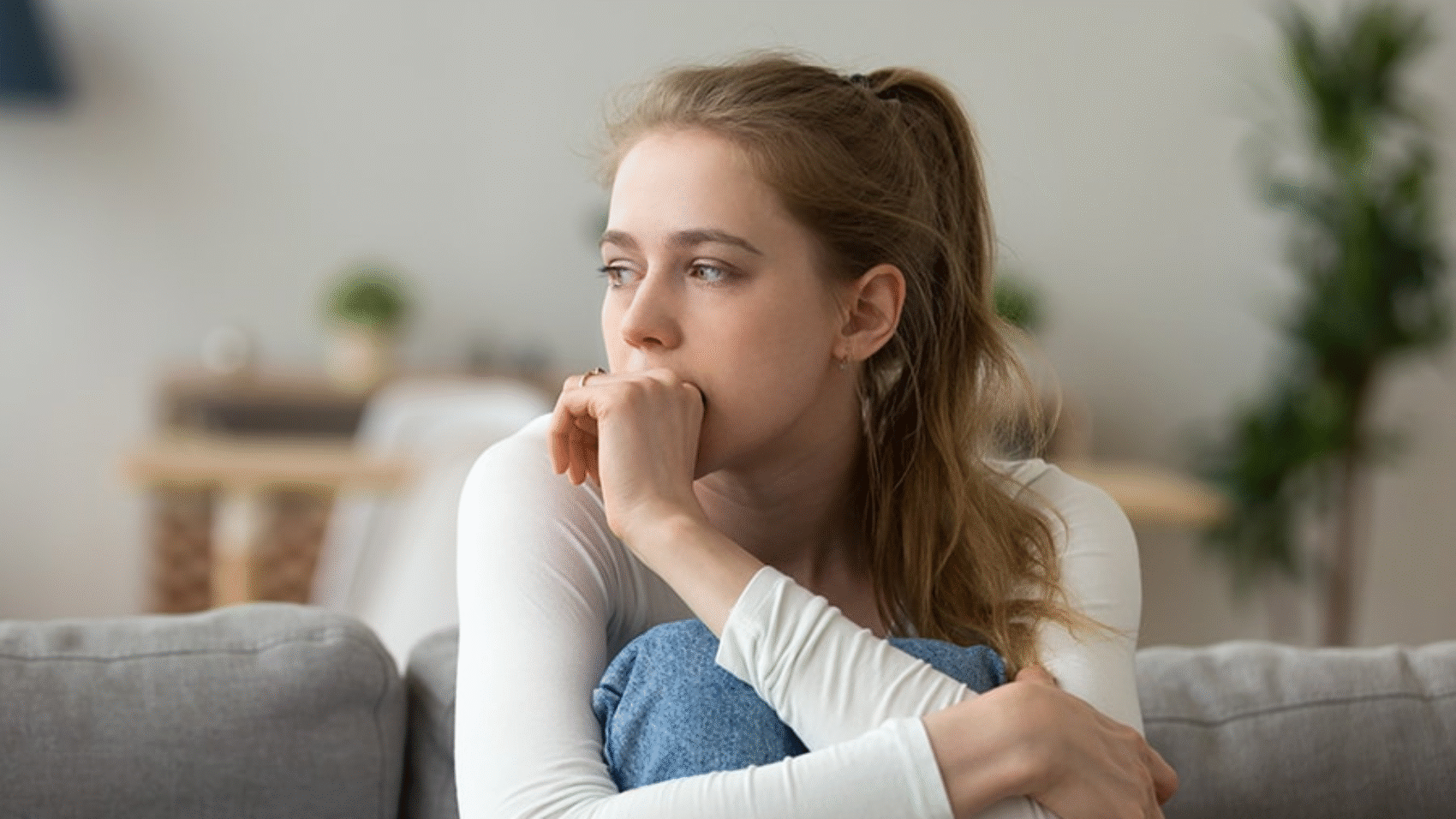
Anxiety is a common emotional experience that everyone feels from time to time. Feeling nervous before a job interview, worrying about an important exam, or feeling uneasy in a new situation are all normal forms of anxiety. However, when anxiety becomes intense, persistent, and starts to interfere with daily life, it may be classified as an anxiety disorder. Understanding anxiety, its symptoms, and the available treatment options can help individuals manage it effectively and improve their quality of life.
Understanding Anxiety
Anxiety is the body’s natural response to stress. It triggers the “fight or flight” response, preparing the body to face a perceived threat. This response can include a rapid heartbeat, sweating, and heightened alertness. While occasional anxiety is normal, chronic anxiety can affect emotional well-being, relationships, and productivity.
There are different types of anxiety disorders, including:
- Generalized Anxiety Disorder (GAD): Constant and excessive worry about everyday activities.
- Panic Disorder: Sudden, intense episodes of fear, often with physical symptoms like chest pain or shortness of breath.
- Social Anxiety Disorder: Extreme fear of social situations or being judged by others.
- Specific Phobias: Intense fear of specific objects or situations, such as heights or spiders.
- Post-Traumatic Stress Disorder (PTSD) and Obsessive-Compulsive Disorder (OCD): Though classified separately, these conditions often involve anxiety symptoms.
Common Symptoms of Anxiety
Anxiety can manifest in both physical and psychological ways. Recognizing these symptoms is the first step toward effective treatment.
Physical Symptoms
- Rapid Heartbeat: Anxiety triggers adrenaline, increasing heart rate.
- Shortness of Breath: Feeling unable to catch your breath during panic episodes.
- Sweating and Trembling: Common signs during stressful situations.
- Muscle Tension: Constant tension in muscles, headaches, or back pain.
- Fatigue: Chronic anxiety can drain your energy, leading to constant tiredness.
- Gastrointestinal Issues: Nausea, diarrhea, or stomach discomfort.
Psychological Symptoms
- Excessive Worry: Persistent fear or worry about daily matters.
- Restlessness: Difficulty sitting still or feeling on edge.
- Irritability: Heightened emotional sensitivity.
- Difficulty Concentrating: Trouble focusing on tasks or decision-making.
- Sleep Problems: Difficulty falling asleep or staying asleep.
It is important to note that symptoms vary from person to person, and they may range from mild to severe. If anxiety significantly impacts daily functioning, it is crucial to seek professional help.
Causes of Anxiety
The exact cause of anxiety disorders is not fully understood, but multiple factors can contribute, including:
- Genetics: Anxiety can run in families, suggesting a hereditary component.
- Brain Chemistry: Imbalances in neurotransmitters, such as serotonin and dopamine, can affect mood regulation.
- Personality: Individuals who are more sensitive or perfectionistic may be more prone to anxiety.
- Life Experiences: Trauma, abuse, or significant life changes can trigger anxiety disorders.
- Medical Conditions: Chronic illnesses, thyroid problems, or heart disease can contribute to anxiety symptoms.
Treatment Options for Anxiety
The good news is that anxiety is treatable. Treatment often involves a combination of therapy, lifestyle changes, and sometimes medication. The choice of treatment depends on the type and severity of anxiety, as well as personal preferences.
1. Therapy
Cognitive Behavioral Therapy (CBT):
CBT is one of the most effective therapies for anxiety. It helps individuals identify negative thought patterns, challenge irrational fears, and develop healthier coping strategies.
Exposure Therapy:
Used for phobias and PTSD, this therapy gradually exposes patients to feared situations in a safe environment, reducing anxiety over time.
Acceptance and Commitment Therapy (ACT):
ACT encourages acceptance of anxious thoughts rather than fighting them and focuses on living according to personal values despite anxiety.
2. Medication
Medications can help manage anxiety symptoms, especially when therapy alone is insufficient. Common medications include:
- Selective Serotonin Reuptake Inhibitors (SSRIs): Such as sertraline or fluoxetine, which improve mood by balancing serotonin levels.
- Benzodiazepines: Short-term relief for acute anxiety episodes but can be habit-forming.
- Beta-Blockers: Reduce physical symptoms like rapid heartbeat or tremors during anxiety attacks.
- Buspirone: A non-habit-forming medication for generalized anxiety disorder.
Medication should always be prescribed and monitored by a healthcare professional.
3. Lifestyle and Self-Care
Daily habits play a significant role in managing anxiety. Effective strategies include:
- Regular Exercise: Physical activity reduces stress hormones and increases endorphins, improving mood.
- Healthy Diet: Balanced nutrition supports brain health and overall well-being.
- Adequate Sleep: Quality sleep helps regulate emotions and reduce anxiety.
- Mindfulness and Meditation: Practices like deep breathing, yoga, or meditation calm the nervous system.
- Limiting Stimulants: Reducing caffeine, alcohol, and nicotine can prevent anxiety flare-ups.
- Social Support: Talking to friends, family, or support groups can reduce feelings of isolation.
4. Alternative Treatments
Some individuals find relief with complementary approaches such as:
- Aromatherapy: Essential oils like lavender may help relax the mind.
- Acupuncture: Can promote relaxation and reduce tension.
- Herbal Supplements: Some herbs like chamomile or valerian root may ease mild anxiety, though always consult a doctor before use.
Coping with Anxiety Daily
While professional treatment is essential, day-to-day strategies can help manage anxiety. Keeping a journal, practicing gratitude, breaking tasks into smaller steps, and maintaining a routine are simple yet effective methods.
It’s also crucial to recognize triggers. Understanding situations, thoughts, or environments that worsen anxiety allows individuals to develop proactive coping strategies.
When to Seek Professional Help
Seek help if anxiety:
- Interferes with daily life, work, or relationships.
- Causes panic attacks or constant fear.
- Leads to sleep disturbances or physical health problems.
- Persists for more than six months.
Early intervention can prevent anxiety from becoming more severe and improve long-term outcomes.
Frequently Asked Questions (FAQs)
1. What is the difference between normal anxiety and an anxiety disorder?
Normal anxiety is temporary and triggered by specific stressors, while an anxiety disorder is persistent, excessive, and interferes with daily life.
2. Can anxiety be completely cured?
While anxiety disorders may not always be “cured,” they can be effectively managed with therapy, medication, and lifestyle changes, allowing individuals to lead fulfilling lives.
3. How long does it take for treatment to work?
Therapy benefits often appear within a few weeks, but full improvement may take several months. Medication effects vary depending on the type and dosage.
4. Is medication necessary for anxiety treatment?
Not always. Many people benefit from therapy and lifestyle changes alone. Medication is typically recommended for moderate to severe anxiety or when other treatments are insufficient.
5. Can children experience anxiety disorders?
Yes. Children and adolescents can develop anxiety disorders. Early recognition and support from parents and professionals are crucial for effective management.
Conclusion
Anxiety is a natural part of life, but when it becomes overwhelming, it can significantly affect well-being. Understanding the symptoms, causes, and treatment options is essential for managing anxiety effectively. A combination of therapy, medication, lifestyle adjustments, and self-care strategies can provide relief and help individuals regain control of their lives. If you or a loved one experiences persistent anxiety, reaching out to a mental health professional is a critical step toward healing.