
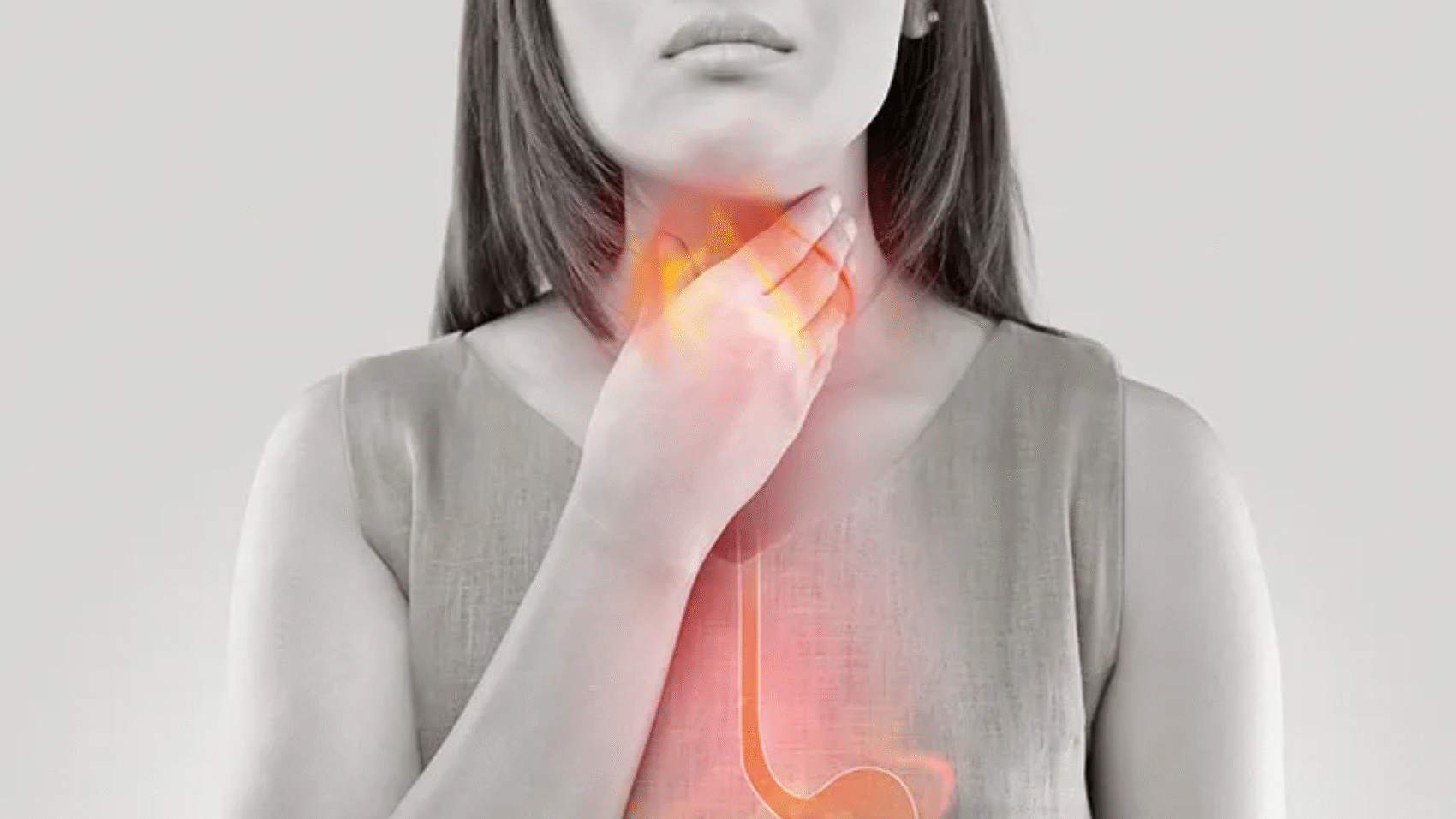
Acid reflux disease is a common health problem that affects millions of people around the world. If you often feel a burning sensation in your chest, sour taste in your mouth, or discomfort after eating, you may be dealing with acid reflux. The good news is that acid reflux can be managed and treated effectively with the right approach.
In this article, we will clearly explain the best treatment for acid reflux disease, including lifestyle changes, home remedies, medicines, and medical options. Everything is explained in simple language so anyone can understand and apply it easily.
What Is Acid Reflux Disease?
Acid reflux disease happens when stomach acid flows back into the food pipe (esophagus). This causes irritation and discomfort. When this problem occurs frequently, it is known as Gastroesophageal Reflux Disease (GERD).
Normally, a muscle at the bottom of the food pipe keeps acid in the stomach. But when this muscle becomes weak or relaxed, acid can move upward, leading to reflux symptoms.
Common Symptoms of Acid Reflux Disease
Before discussing the best treatment for acid reflux disease, it’s important to recognize the symptoms:
- Burning sensation in the chest (heartburn)
- Sour or bitter taste in the mouth
- Difficulty swallowing
- Chest pain after meals
- Bloating or gas
- Nausea
- Chronic cough or sore throat
If these symptoms happen more than twice a week, proper treatment is necessary.
Best Treatment for Acid Reflux Disease
The best treatment for acid reflux disease is not just one thing. It usually involves a combination of lifestyle changes, diet control, natural remedies, and medication. Let’s look at each part in detail.
1. Lifestyle Changes: The First and Most Important Step
Lifestyle changes are often the most effective and natural treatment for acid reflux disease.
Maintain a Healthy Weight
Extra body weight puts pressure on the stomach, pushing acid upward. Losing even a small amount of weight can greatly reduce reflux symptoms.
Avoid Lying Down After Eating
Wait at least 2–3 hours after meals before lying down or sleeping. This helps keep acid in the stomach.
Elevate Your Head While Sleeping
Raising the head of your bed by 6–8 inches helps prevent acid from flowing back into the food pipe at night.
Wear Loose Clothing
Tight clothes around the waist increase pressure on the stomach and worsen reflux.
2. Diet Changes: Eat Smart to Control Acid Reflux
Diet plays a major role in managing acid reflux. Some foods trigger symptoms, while others help reduce them.
Foods to Avoid
- Spicy foods
- Fried and fatty foods
- Chocolate
- Coffee and tea
- Carbonated drinks
- Citrus fruits (orange, lemon)
- Tomato-based foods
Foods That Help Acid Reflux
- Oatmeal
- Bananas
- Apples
- Green vegetables
- Whole grains
- Lean meats
- Yogurt
Eating smaller meals instead of large ones also helps reduce pressure on the stomach.
3. Natural and Home Remedies for Acid Reflux
Many people prefer natural solutions as part of the best treatment for acid reflux disease.
Ginger
Ginger has natural anti-inflammatory properties. Drinking ginger tea or adding ginger to meals may reduce reflux symptoms.
Aloe Vera Juice
Aloe vera soothes the digestive system and can reduce irritation in the food pipe.
Baking Soda (Occasionally)
A small amount of baking soda mixed with water can neutralize stomach acid, but it should not be used regularly.
Chewing Gum
Chewing sugar-free gum increases saliva production, which helps wash acid back into the stomach.
4. Medications for Acid Reflux Disease
When lifestyle and diet changes are not enough, medicines may be needed. Always consult a doctor before using medication regularly.
Antacids
Antacids provide quick relief by neutralizing stomach acid. They work fast but do not heal the food pipe.
H2 Blockers
These medicines reduce acid production and provide longer relief than antacids.
Proton Pump Inhibitors (PPIs)
PPIs are often considered the most effective medical treatment for acid reflux disease. They significantly reduce acid production and help heal damaged tissue.
5. Medical and Surgical Treatment (For Severe Cases)
If symptoms continue despite treatment, medical procedures may be needed.
Endoscopy
This test allows doctors to check for damage in the food pipe.
Surgery
Surgery is usually the last option. It strengthens the muscle that prevents acid from flowing upward. This is only recommended for severe GERD cases.
Long-Term Management of Acid Reflux Disease
The best treatment for acid reflux disease is not a one-time solution. It requires long-term care and healthy habits:
- Follow a reflux-friendly diet
- Avoid smoking and alcohol
- Reduce stress
- Exercise regularly
- Take medicines as prescribed
With proper care, most people can live comfortably without frequent symptoms.
When to See a Doctor
You should consult a doctor if:
- Symptoms occur daily
- Pain is severe
- Difficulty swallowing increases
- There is unexplained weight loss
- Medications do not help
Early treatment prevents complications such as ulcers or food pipe damage.
Final Thoughts
The best treatment for acid reflux disease is a combination of healthy lifestyle choices, proper diet, natural remedies, and medical care when needed. There is no single solution that works for everyone, but with patience and consistency, acid reflux can be managed successfully.
By understanding your triggers and making small daily changes, you can protect your digestive health and improve your quality of life.
Frequently Asked Questions (FAQs)
1. What is the fastest relief for acid reflux?
Antacids provide the fastest relief by neutralizing stomach acid, but they are not a long-term solution.
2. Can acid reflux be cured permanently?
Acid reflux can be controlled very well, but long-term lifestyle changes are usually needed to keep symptoms away.
3. Is drinking milk good for acid reflux?
Milk may give temporary relief but can increase acid production later. Low-fat milk is a better option.
4. What foods should I eat daily for acid reflux?
Oatmeal, bananas, green vegetables, lean proteins, and whole grains are good daily choices.
5. Is acid reflux dangerous if untreated?
Yes, untreated acid reflux can damage the food pipe and lead to serious complications over time.