
Tooth decay is one of the most common dental problems worldwide. It happens when the enamel, which is the outer protective layer of your teeth, gets damaged due to acids produced by bacteria in your mouth. This can lead to cavities, toothaches, and in severe cases, tooth loss. Fortunately, tooth decay is largely preventable. With proper dental care and healthy habits, you can keep your teeth strong and cavity-free. In this article, we’ll explore the best ways to prevent tooth decay in simple, practical steps that anyone can follow.
Understanding Tooth Decay
Before diving into prevention, it’s essential to understand how tooth decay occurs. Every time you eat, especially sugary or starchy foods, bacteria in your mouth feed on the leftover food particles. These bacteria produce acids that attack your tooth enamel. Over time, repeated acid attacks can create tiny holes in your teeth, known as cavities. If left untreated, these cavities can grow and cause serious dental problems.
Some common risk factors for tooth decay include:
- Poor oral hygiene
- Frequent consumption of sugary or acidic foods
- Dry mouth or reduced saliva production
- Smoking or tobacco use
- Not visiting a dentist regularly
Now that we know how tooth decay happens, let’s explore the best ways to prevent it.
1. Brush Your Teeth Properly Twice a Day
Brushing your teeth is the most basic and essential step in preventing tooth decay. But it’s not just about brushing; it’s about brushing correctly. Here’s how to do it effectively:
- Use a soft-bristled toothbrush to avoid damaging your enamel and gums.
- Brush for at least two minutes, covering all surfaces of your teeth—front, back, and chewing surfaces.
- Use fluoride toothpaste, which strengthens enamel and helps repair early decay.
- Replace your toothbrush every 3–4 months, or sooner if the bristles are frayed.
Remember, brushing right after meals, especially sugary ones, can significantly reduce the risk of cavities.
2. Floss Daily
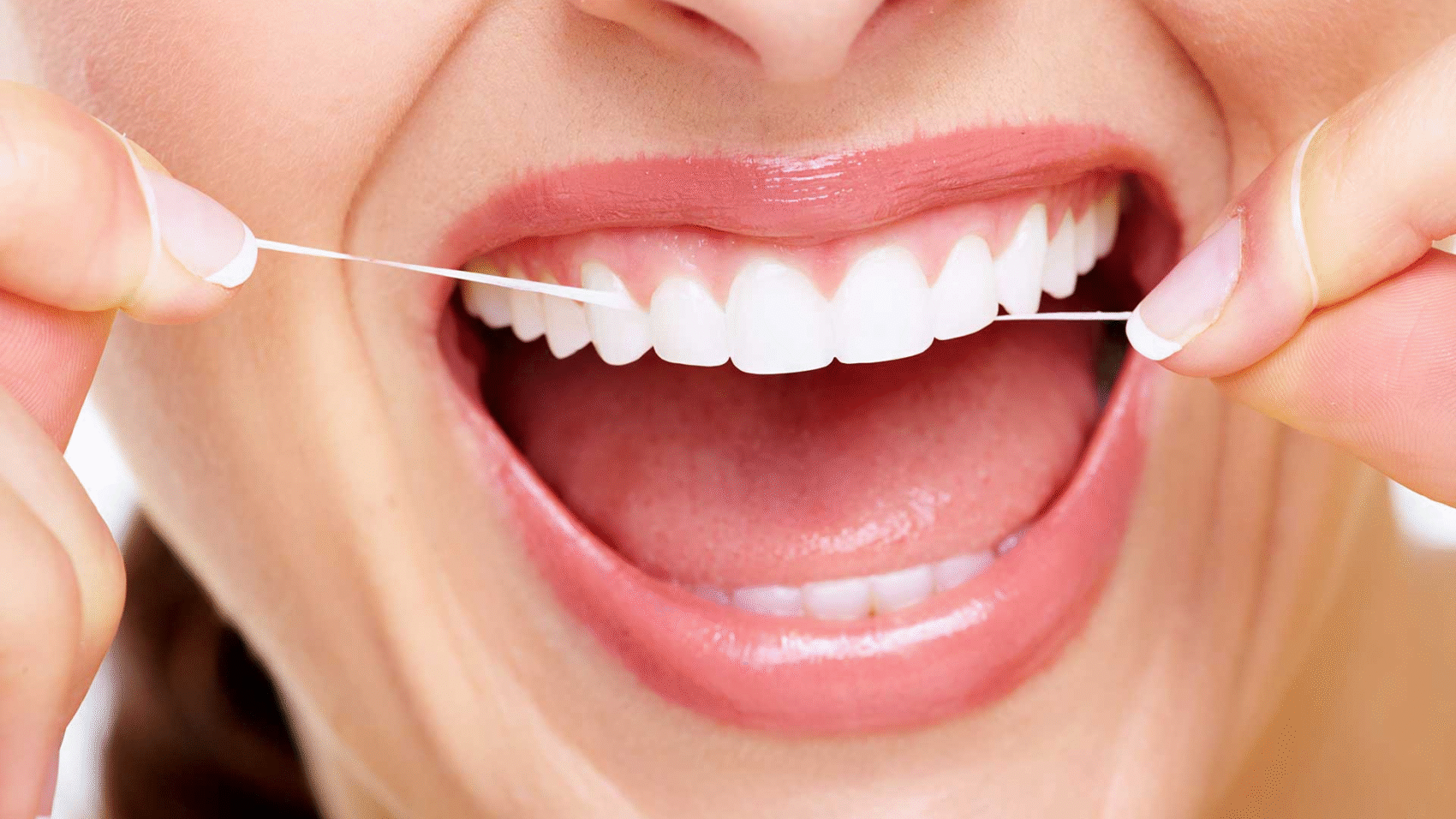
Brushing alone cannot reach the tight spaces between your teeth. Food particles and plaque can get stuck there, providing a breeding ground for bacteria. Flossing once a day helps remove these particles and prevents decay between teeth.
Tips for effective flossing:
- Use about 18 inches of floss and wrap it around your fingers.
- Gently slide the floss between each tooth and curve it around the base, moving it up and down.
- Avoid snapping the floss, as it can damage your gums.
For those who find traditional flossing challenging, water flossers are a great alternative. They use a stream of water to clean between teeth and are especially helpful for people with braces or dental implants.
3. Limit Sugary and Acidic Foods
Sugar is a major contributor to tooth decay because it feeds harmful bacteria in your mouth. Acidic foods and drinks, such as soda, citrus fruits, and sports drinks, can erode enamel and make teeth more vulnerable to cavities.
Here’s how to manage your diet for healthier teeth:
- Reduce intake of sugary snacks like candies, cookies, and pastries.
- Avoid frequent sipping of sugary or acidic beverages.
- Rinse your mouth with water after consuming sugary or acidic foods.
- Choose tooth-friendly snacks like cheese, nuts, vegetables, and fruits that are low in acid.
Balancing your diet not only protects your teeth but also supports overall health.
4. Drink Plenty of Water
Water plays a vital role in preventing tooth decay. It helps wash away food particles and bacteria, keeping your mouth clean. Drinking water with fluoride also strengthens enamel, making it more resistant to decay.
- Aim for at least 6–8 glasses of water a day.
- Drink water after meals or snacks, especially if brushing isn’t possible immediately.
- Choose tap water with fluoride when available, as it’s proven to reduce cavities.
Staying hydrated also prevents dry mouth, which is a risk factor for tooth decay.
5. Use Fluoride Products
Fluoride is a natural mineral that helps rebuild weakened enamel and prevent cavities. Most toothpaste contains fluoride, but additional fluoride treatments can be beneficial for those at higher risk of decay.
Ways to incorporate fluoride into your dental care:
- Use fluoride toothpaste daily.
- Consider fluoride mouth rinses if recommended by your dentist.
- Ask your dentist about professional fluoride treatments during checkups.
Fluoride is safe and highly effective in preventing tooth decay when used correctly.
6. Chew Sugar-Free Gum
Chewing sugar-free gum can be surprisingly effective in preventing cavities. Chewing stimulates saliva production, which neutralizes acids in your mouth and washes away food particles.
- Choose gums with xylitol, a natural sweetener that can reduce bacteria growth.
- Chew gum for 10–15 minutes after meals if brushing isn’t possible.
This simple habit can be a great addition to your oral care routine.
7. Visit Your Dentist Regularly
Even with excellent home care, regular dental checkups are essential. Dentists can detect early signs of tooth decay before it becomes a serious problem. They can also provide professional cleanings to remove plaque and tartar that brushing and flossing can’t reach.
- Schedule dental visits at least twice a year.
- Discuss your risk factors with your dentist for personalized advice.
- Follow recommended treatments, such as sealants or fluoride applications, if needed.
Regular dental visits are a proactive way to maintain long-term oral health.
8. Avoid Tobacco Products
Smoking and chewing tobacco increase the risk of tooth decay and gum disease. Tobacco reduces saliva flow, stains teeth, and weakens the body’s ability to fight infections, including oral infections.
Quitting tobacco not only benefits your teeth but also improves overall health, including heart and lung health.
9. Consider Dental Sealants
Dental sealants are protective coatings applied to the chewing surfaces of back teeth, where cavities often form. Sealants act as a barrier, preventing food and bacteria from getting trapped in the grooves of teeth.
Sealants are especially recommended for children but can also benefit adults at high risk of cavities.
10. Maintain Overall Health
Believe it or not, your general health affects your teeth. Conditions like diabetes, nutritional deficiencies, and immune system issues can make you more susceptible to tooth decay. Eating a balanced diet, managing chronic conditions, and maintaining overall wellness indirectly protects your teeth.
FAQs About Preventing Tooth Decay
1. Can tooth decay be reversed?
Early-stage tooth decay, known as enamel demineralization, can sometimes be reversed with fluoride treatments and good oral hygiene. Once a cavity forms, it requires professional dental treatment.
2. How often should I brush my teeth?
It’s recommended to brush at least twice a day: once in the morning and once before bed. Brushing after meals can also help reduce the risk of cavities.
3. Is mouthwash necessary to prevent tooth decay?
Mouthwash is not mandatory but can be beneficial. Fluoride or antibacterial mouthwashes help reduce bacteria and strengthen enamel, complementing brushing and flossing.
4. Are natural remedies effective against tooth decay?
Some natural practices, like oil pulling or using herbal rinses, may support oral hygiene but should not replace brushing, flossing, or professional care. Fluoride and proper dental care remain the most effective methods.
5. Can adults get sealants, or is it just for children?
While sealants are commonly applied to children’s teeth, adults can also benefit if they have deep grooves in their molars that are prone to cavities.
Conclusion
Preventing tooth decay doesn’t have to be complicated. By following simple daily habits like brushing, flossing, drinking water, limiting sugar, and visiting your dentist, you can protect your teeth for life. Combining these strategies with fluoride use, a healthy diet, and avoiding harmful habits like tobacco will give you a strong foundation for excellent oral health. Tooth decay is preventable, and taking action today ensures a brighter, healthier smile tomorrow.