
Lower back pain is one of the most common health issues affecting millions of people worldwide. It can range from a mild discomfort after a long day at work to severe pain that makes daily activities difficult. While there are many treatment options available, chiropractic care has gained attention as a safe, effective, and drug-free approach to managing lower back pain. This article will explore what chiropractic treatment is, how it works, its benefits, and what to expect during therapy.
What is Chiropractic Treatment?
Chiropractic treatment is a healthcare approach that focuses on diagnosing and treating musculoskeletal issues, especially those related to the spine. Chiropractors use manual techniques, exercises, and sometimes lifestyle advice to improve the alignment of the spine and reduce pain. The core belief in chiropractic care is that the body has an innate ability to heal itself when the spine and nervous system are functioning correctly.
Lower back pain is often caused by misalignments in the spine, muscle tension, or nerve irritation. Chiropractors aim to restore proper alignment and improve function, which can help reduce pain, increase mobility, and enhance overall health.
Causes of Lower Back Pain
Understanding the causes of lower back pain can help explain why chiropractic care is often recommended. Some common causes include:
- Muscle Strain or Sprain: Overstretching or tearing muscles and ligaments in the back can cause pain. This often happens after lifting heavy objects or sudden movements.
- Herniated or Bulging Discs: Discs act as cushions between the vertebrae. If a disc slips or ruptures, it can press on nerves, causing pain.
- Poor Posture: Sitting or standing incorrectly for long periods can strain the lower back.
- Arthritis: Degeneration of the spine’s joints can lead to chronic pain and stiffness.
- Lifestyle Factors: Obesity, lack of exercise, and prolonged inactivity can contribute to back pain.
How Chiropractic Treatment Helps
Chiropractic treatment for lower back pain focuses on restoring proper spinal alignment and improving movement. The main techniques include:
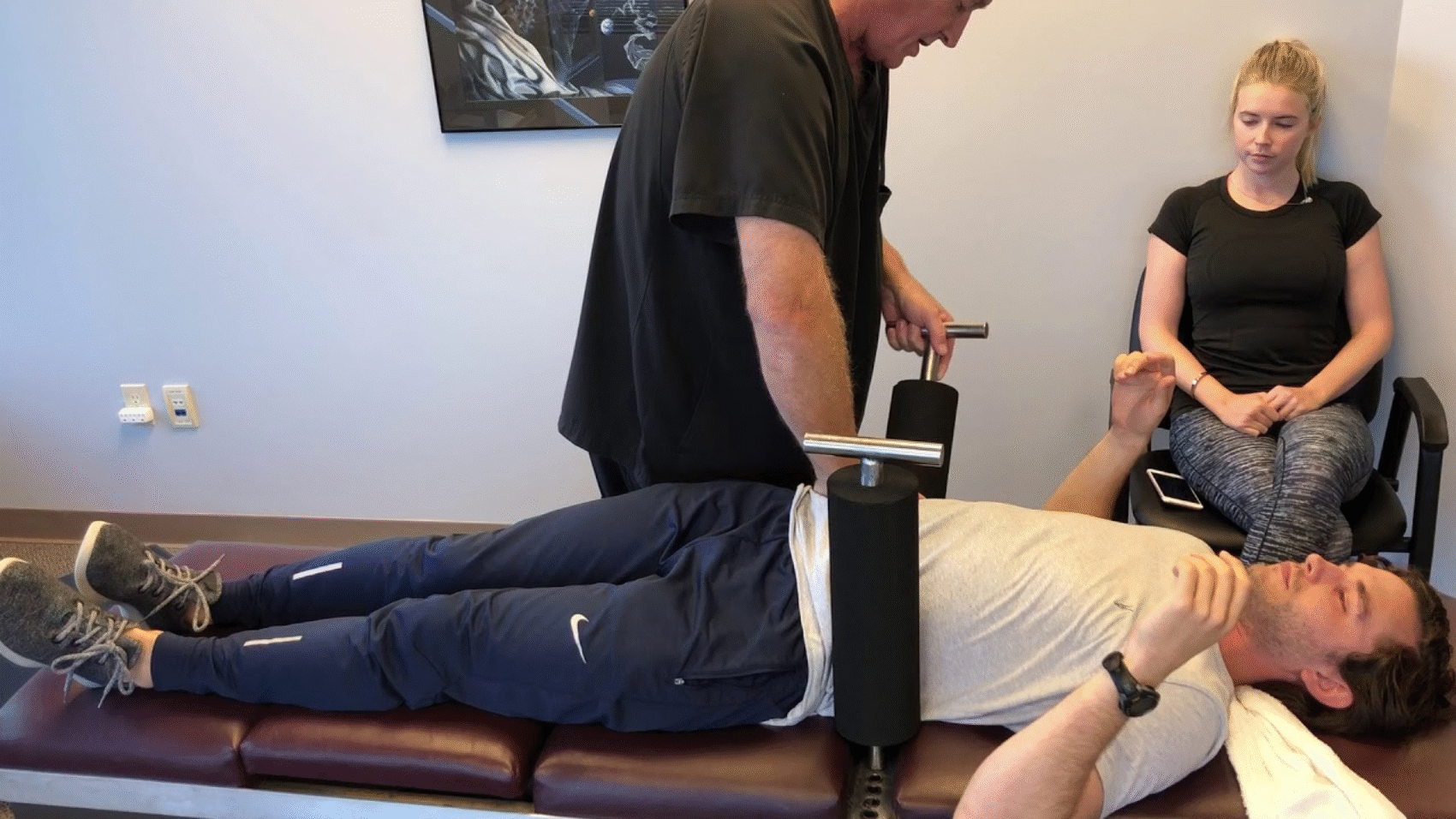
- Spinal Adjustments: This is the hallmark of chiropractic care. Chiropractors use their hands or specialized tools to apply controlled force to the spine, helping realign vertebrae and reduce nerve irritation.
- Soft Tissue Therapy: Massage, stretching, or other techniques are used to relieve muscle tension and improve flexibility.
- Exercise and Rehabilitation: Chiropractors often recommend exercises to strengthen the back, core, and supporting muscles, reducing the risk of future pain.
- Posture and Lifestyle Advice: Guidance on ergonomics, posture, sleeping positions, and activity modifications helps maintain spinal health.
By addressing both the symptoms and underlying causes of lower back pain, chiropractic treatment offers a holistic approach to recovery.
Benefits of Chiropractic Treatment for Lower Back Pain
Many people wonder if chiropractic care is worth it. Research and patient experiences suggest several benefits:
- Non-Invasive: Chiropractic treatment does not involve surgery or drugs, making it a safer option for many patients.
- Pain Relief: Studies show that spinal adjustments can significantly reduce lower back pain and improve function.
- Improved Mobility: Realignment of the spine can increase flexibility, making daily activities easier and more comfortable.
- Prevention of Recurrence: By strengthening muscles and correcting posture, chiropractic care helps prevent future episodes of lower back pain.
- Holistic Health: Chiropractors often focus on overall wellness, including nutrition, exercise, and lifestyle habits.
What to Expect During a Chiropractic Visit
A typical chiropractic visit for lower back pain begins with a thorough assessment, including:
- Medical History Review: Chiropractors will ask about your pain, medical history, lifestyle, and previous treatments.
- Physical Examination: This may include posture assessment, range-of-motion tests, and sometimes imaging like X-rays.
- Treatment Plan: Based on the assessment, the chiropractor will create a personalized plan, which may include spinal adjustments, exercises, and lifestyle advice.
The actual chiropractic session usually lasts 15-30 minutes. Some patients experience immediate relief, while others may require multiple sessions for long-term results.
Safety and Side Effects
Chiropractic treatment is generally safe when performed by a licensed professional. Mild side effects such as soreness or stiffness can occur but usually resolve within a day or two. Serious complications are rare, especially for lower back treatments. It is important to inform your chiropractor of any medical conditions, injuries, or medications you are taking.
Tips for Maximizing the Benefits of Chiropractic Care
- Follow Your Chiropractor’s Advice: Consistency with exercises and lifestyle changes enhances results.
- Maintain Good Posture: Proper ergonomics at work and home reduce strain on your lower back.
- Stay Active: Gentle exercises like walking, swimming, or yoga support spinal health.
- Healthy Weight: Maintaining a healthy weight reduces stress on the lower back.
- Regular Check-Ups: Even after symptoms improve, periodic visits can help prevent future pain.
Conclusion
Chiropractic treatment is a safe and effective option for managing lower back pain. By focusing on spinal alignment, muscle function, and lifestyle adjustments, chiropractic care offers relief without surgery or medications. Patients often experience reduced pain, improved mobility, and a better quality of life. If you suffer from lower back pain, consulting a licensed chiropractor may be a valuable step toward lasting relief.
Frequently Asked Questions (FAQs)
1. Is chiropractic treatment painful?
Chiropractic adjustments are usually gentle, and most patients feel relief rather than pain. Mild soreness may occur afterward, similar to post-exercise muscle stiffness.
2. How many sessions will I need?
The number of sessions varies depending on the severity and cause of your pain. Some patients feel better after one session, while others may need several weeks of treatment.
3. Can chiropractic care help chronic lower back pain?
Yes. Many patients with chronic lower back pain experience significant improvement with ongoing chiropractic care combined with exercise and lifestyle changes.
4. Are there any risks associated with chiropractic treatment?
Chiropractic care is generally safe. Mild side effects like temporary soreness are common. Serious complications are rare, especially for lower back adjustments. Always consult a licensed chiropractor.
5. Can I combine chiropractic treatment with other therapies?
Yes. Chiropractic care can be combined with physical therapy, medications, or other treatments. Coordination with your healthcare provider ensures the best outcomes.