
Heart health is one of the most important aspects of overall wellness, and your diet plays a huge role in keeping your heart strong. One of the key factors affecting heart health is cholesterol. While cholesterol is essential for building cells and producing certain hormones, too much of it can lead to heart disease, clogged arteries, and stroke. The good news is that a carefully planned diet can help manage cholesterol levels and protect your heart.
In this article, we will explore what cholesterol is, how it affects your heart, and how a cholesterol-lowering diet can be incorporated into your lifestyle. We’ll also cover practical tips, foods to include and avoid, and answer some frequently asked questions.
Understanding Cholesterol
Cholesterol is a waxy substance found in your blood. There are two main types:
- Low-Density Lipoprotein (LDL): Often called “bad” cholesterol, high levels can build up in your arteries, leading to blockages.
- High-Density Lipoprotein (HDL): Known as “good” cholesterol, HDL helps remove LDL from your arteries, reducing heart disease risk.
Your total cholesterol level is a combination of LDL, HDL, and other fats called triglycerides. An unhealthy diet, lack of exercise, genetics, and age can all contribute to high LDL cholesterol and low HDL cholesterol.
The Role of Diet in Cholesterol Management
A cholesterol-lowering diet focuses on reducing bad fats and increasing heart-healthy nutrients. By choosing the right foods, you can naturally lower LDL levels, boost HDL, and improve overall cardiovascular health.
Key dietary goals for heart health include:
- Reducing saturated and trans fats.
- Increasing fiber intake, especially soluble fiber.
- Including healthy fats from plants and fish.
- Maintaining a healthy weight.
- Limiting processed foods and added sugars.
Foods That Lower Cholesterol
Here’s a detailed look at foods that can improve your heart health:
1. Oats and Whole Grains
Starting your day with a bowl of oatmeal or whole-grain cereal can help lower cholesterol. These foods are rich in soluble fiber, which binds to cholesterol in the digestive system and removes it from the body. Other whole grains like barley, brown rice, and quinoa have similar benefits.
2. Fruits and Vegetables
Fruits and vegetables are high in fiber, vitamins, and antioxidants. Some particularly effective options include:
- Apples, pears, and citrus fruits (rich in soluble fiber).
- Leafy greens like spinach and kale (contain heart-protective nutrients).
- Berries like strawberries and blueberries (contain plant compounds that improve cholesterol levels).
Aim for at least 5 servings a day to maximize benefits.
3. Legumes and Beans
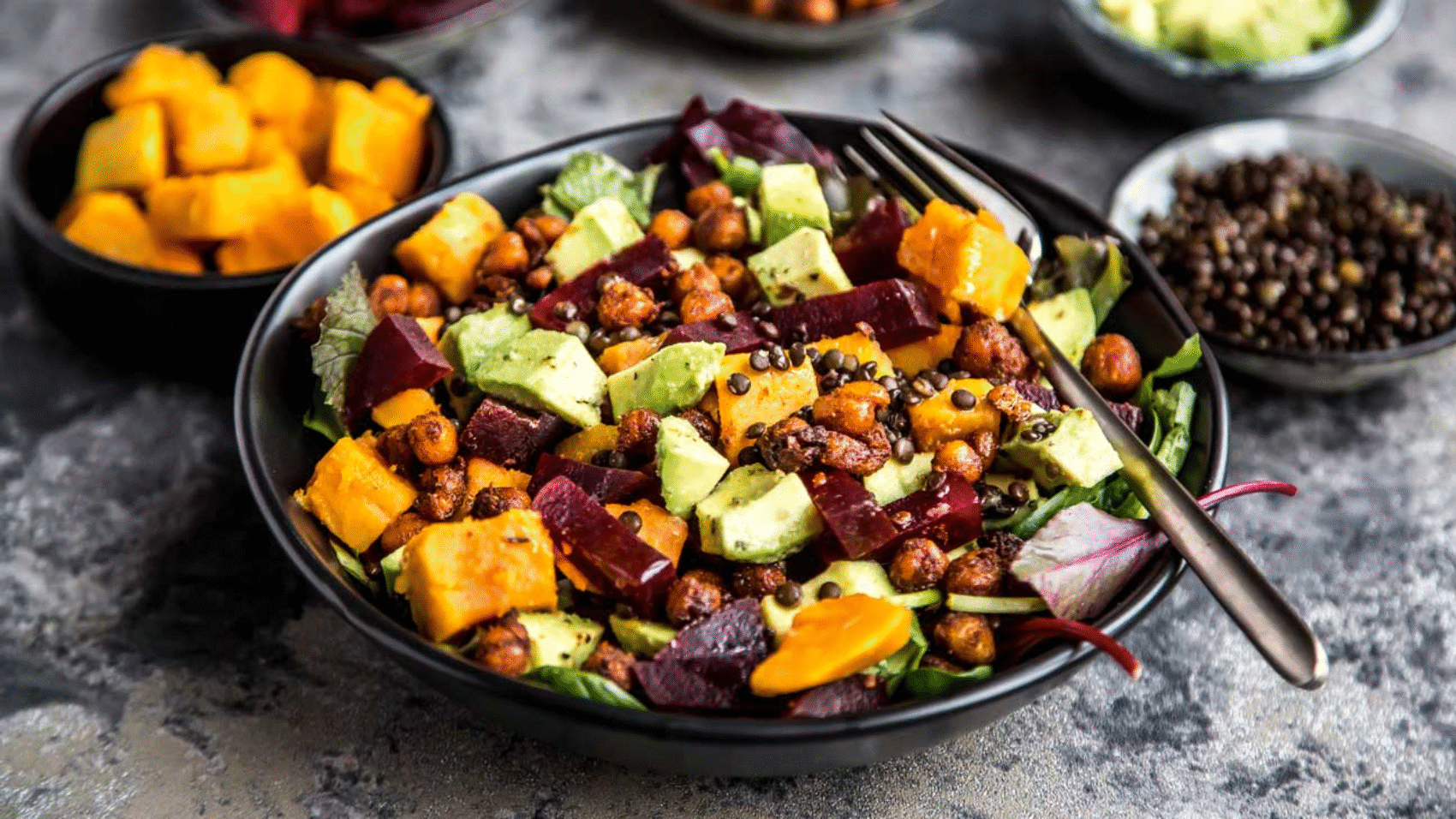
Beans, lentils, chickpeas, and peas are excellent sources of plant-based protein and fiber. They can reduce LDL cholesterol and help stabilize blood sugar, which also benefits heart health.
4. Nuts and Seeds
Almonds, walnuts, flaxseeds, and chia seeds contain healthy fats, protein, and fiber. Eating a small handful daily can improve your cholesterol profile and reduce inflammation in arteries.
5. Fatty Fish
Salmon, mackerel, sardines, and trout are rich in omega-3 fatty acids, which lower triglycerides, reduce inflammation, and promote healthy HDL cholesterol. Aim for 2 servings per week.
6. Healthy Oils
Swap butter and margarine for heart-friendly oils like olive oil, avocado oil, and canola oil. These oils contain monounsaturated and polyunsaturated fats, which help reduce LDL cholesterol.
Foods to Limit or Avoid
While focusing on heart-healthy foods is important, avoiding harmful foods is equally crucial:
- Trans Fats: Found in fried foods, baked goods, and many processed snacks. These fats raise LDL and lower HDL.
- Saturated Fats: Found in fatty cuts of meat, full-fat dairy, and butter. Limit intake to 5–6% of daily calories.
- Processed Meats: Bacon, sausages, and deli meats are high in saturated fats and sodium.
- Refined Grains and Sugars: White bread, pastries, soda, and sugary cereals can indirectly affect cholesterol and weight, increasing heart risk.
Lifestyle Tips to Support a Cholesterol-Lowering Diet
Diet alone can significantly improve cholesterol, but combining it with lifestyle changes is even more effective. Here are some practical tips:
- Exercise Regularly: Aim for at least 30 minutes of moderate exercise most days. Walking, cycling, swimming, or yoga can help raise HDL and lower LDL.
- Maintain a Healthy Weight: Losing even a small amount of weight can improve cholesterol and reduce heart disease risk.
- Quit Smoking: Smoking lowers HDL and damages blood vessels. Quitting has immediate and long-term heart benefits.
- Limit Alcohol: Excessive alcohol can increase triglycerides and blood pressure. Stick to moderate consumption (1 drink/day for women, 2 for men).
- Stay Hydrated and Reduce Stress: Adequate water intake and stress management practices like meditation can indirectly benefit heart health.
Sample Day on a Cholesterol-Lowering Diet
Here’s a simple example of how a day could look:
Breakfast: Oatmeal with chia seeds, blueberries, and a drizzle of honey.
Snack: A small handful of almonds.
Lunch: Quinoa salad with chickpeas, spinach, tomatoes, cucumbers, and olive oil dressing.
Snack: Apple slices with peanut butter.
Dinner: Grilled salmon, steamed broccoli, and brown rice.
Dessert (optional): Fresh berries.
This plan incorporates fiber, healthy fats, and protein while minimizing saturated and trans fats.
Common Myths About Cholesterol and Diet
- Myth: “All fats are bad.”
Fact: Healthy fats are essential for heart health. Avoid trans fats, but include nuts, olive oil, and fatty fish. - Myth: “Eggs and cholesterol-rich foods should be avoided completely.”
Fact: Moderate egg consumption is fine for most people. Focus on overall diet quality. - Myth: “You need medication to lower cholesterol.”
Fact: Lifestyle changes, especially diet, can dramatically reduce cholesterol, though some people may still need medication under doctor supervision.
5 Frequently Asked Questions (FAQs)
1. Can a cholesterol-lowering diet reverse heart disease?
A heart-healthy diet can slow the progression of heart disease and even reduce arterial plaque, but it may not fully reverse severe blockages. Early intervention is key.
2. How long does it take to see changes in cholesterol from diet?
Significant improvements can be seen in 4–12 weeks with consistent dietary and lifestyle changes.
3. Are plant-based diets better for lowering cholesterol?
Yes, diets rich in fruits, vegetables, legumes, and whole grains are very effective. However, balanced diets with moderate lean animal products can also work.
4. Can fiber supplements help lower cholesterol?
Soluble fiber supplements like psyllium can help reduce LDL, but whole foods are preferable for additional nutrients and long-term heart health.
5. Is it safe to eat nuts and avocados if trying to lower cholesterol?
Absolutely. Despite being high in calories, their healthy fats improve cholesterol and heart health. Portion control is important.
Conclusion
A cholesterol-lowering diet is a powerful tool for improving heart health. By including whole grains, fruits, vegetables, legumes, nuts, seeds, and healthy oils while avoiding trans fats, saturated fats, and processed foods, you can protect your heart and support long-term wellness. Combining these dietary choices with exercise, stress management, and healthy lifestyle habits ensures the best results.
Heart health is not just about avoiding disease—it’s about thriving. Start small, make sustainable changes, and your heart will thank you for years to come.