
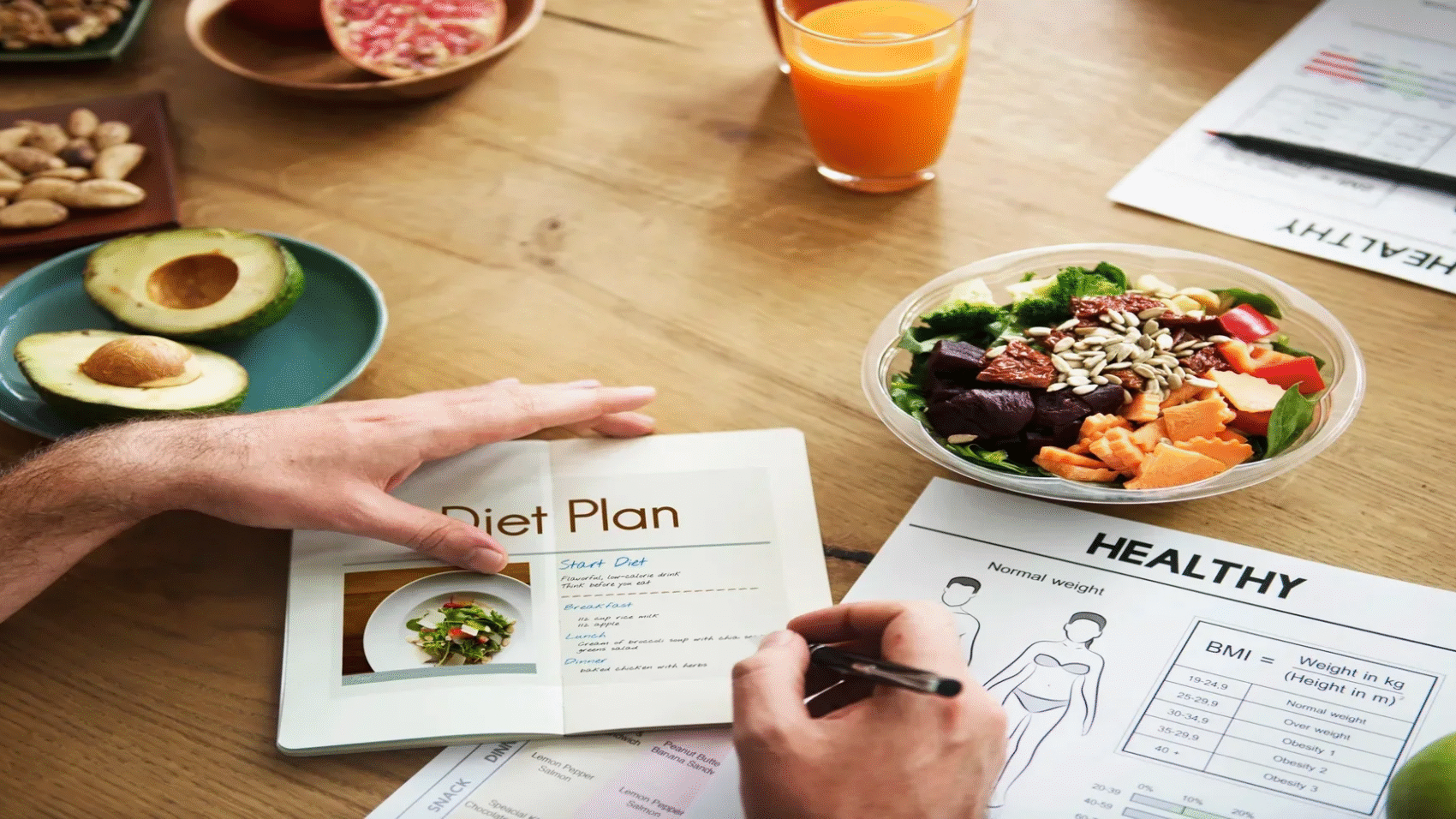
Losing weight can feel overwhelming, especially if you’re just starting your journey. With countless diets, workouts, and conflicting advice online, it’s easy to feel confused. But the good news is that healthy weight loss doesn’t have to be complicated. The key is creating a sustainable, balanced plan that works for your body and lifestyle. This guide is designed specifically for beginners and will walk you through the steps to achieve your goals safely and effectively.
Understanding Healthy Weight Loss
Before diving into a plan, it’s important to understand what healthy weight loss really means. Many people focus solely on losing pounds quickly, but rapid weight loss is often unsustainable and can harm your health. A safe and realistic rate of weight loss is about 0.5 to 1 kilogram (1 to 2 pounds) per week. This pace allows your body to adjust gradually and helps you maintain your results long-term.
Healthy weight loss isn’t just about shedding fat—it’s about building healthy habits, improving energy levels, and supporting overall wellness. The foundation of a good plan includes balanced nutrition, regular physical activity, adequate sleep, and stress management.
Step 1: Set Realistic Goals
The first step in any weight loss journey is setting goals that are achievable and specific. Instead of vague statements like “I want to lose weight,” try:
- “I want to lose 5 kilograms in three months.”
- “I will exercise for 30 minutes, 5 days a week.”
- “I will include vegetables in two meals per day.”
Realistic goals keep you motivated and help you track progress. Remember, it’s not about perfection—it’s about consistency.
Step 2: Focus on Balanced Nutrition
Nutrition is the cornerstone of healthy weight loss. Many beginners make the mistake of skipping meals or following extreme diets, which can backfire. Instead, focus on a balanced eating plan:
- Include Protein in Every Meal: Protein helps build muscle and keeps you full longer. Good sources include eggs, chicken, fish, beans, lentils, and Greek yogurt.
- Eat Plenty of Vegetables and Fruits: These are low in calories but high in fiber, vitamins, and minerals. Aim for at least 5 servings per day.
- Choose Whole Grains: Replace refined grains with brown rice, quinoa, oats, or whole wheat bread. Whole grains provide sustained energy and prevent blood sugar spikes.
- Healthy Fats are Important: Don’t avoid fats entirely—they support brain health and hormone balance. Include nuts, seeds, avocados, and olive oil in moderation.
- Drink Plenty of Water: Staying hydrated boosts metabolism and helps control hunger. Aim for 8–10 glasses per day.
Tip: Keep a food diary for a week. This helps you identify habits, track portions, and discover patterns that may need improvement.
Step 3: Incorporate Regular Physical Activity
Exercise is a powerful tool for weight loss, but you don’t need to be a gym enthusiast to start. For beginners:
- Start Slow: Begin with 20–30 minutes of activity, 3–4 times per week.
- Mix Cardio and Strength Training: Cardio burns calories, while strength training builds muscle, which boosts metabolism. Examples: walking, swimming, bodyweight exercises, or light weightlifting.
- Find Activities You Enjoy: Dancing, cycling, yoga, or hiking can make exercise fun and sustainable.
Consistency is more important than intensity. Over time, gradually increase the duration and intensity of your workouts.
Step 4: Practice Portion Control
Even healthy foods can lead to weight gain if eaten in excess. Portion control is a simple yet effective way to manage calorie intake. Tips include:
- Use smaller plates and bowls.
- Fill half your plate with vegetables, a quarter with lean protein, and a quarter with whole grains.
- Listen to your body—eat when you’re hungry, stop when you’re satisfied.
- Avoid eating straight from the package; measure portions instead.
Learning to recognize true hunger vs. emotional eating is a skill that takes time but makes a huge difference in results.
Step 5: Build Healthy Lifestyle Habits
Weight loss isn’t just about food and exercise. Other lifestyle factors play a crucial role:
- Sleep Well: Aim for 7–9 hours per night. Poor sleep disrupts hormones that control hunger and appetite.
- Manage Stress: Stress can trigger emotional eating and cravings. Techniques like meditation, deep breathing, or journaling can help.
- Avoid Crash Diets: Extremely low-calorie diets may cause nutrient deficiencies and slow metabolism.
- Track Progress: Weekly weigh-ins, taking measurements, or keeping a fitness journal can help you stay accountable.
Remember, consistency beats intensity. Small, sustainable changes lead to lasting results.
Step 6: Stay Motivated
Motivation can fluctuate, and setbacks are normal. To stay on track:
- Celebrate small victories, like choosing a healthy meal or completing a workout.
- Surround yourself with support—friends, family, or online communities.
- Remind yourself of your “why”—why you want to lose weight.
Focus on progress, not perfection. Every healthy choice adds up over time.
Step 7: Sample Beginner-Friendly Daily Plan
Here’s a simple example of a healthy weight loss day:
- Breakfast: Oatmeal with berries and a spoon of peanut butter
- Snack: Greek yogurt with sliced almonds
- Lunch: Grilled chicken salad with mixed vegetables and olive oil dressing
- Snack: Carrot sticks with hummus
- Dinner: Baked salmon, quinoa, and steamed broccoli
- Water: At least 8 glasses throughout the day
This plan provides protein, fiber, healthy fats, and essential nutrients while keeping calories in check. Adjust portion sizes based on your specific needs.
Common Mistakes to Avoid
- Skipping Meals: Can slow metabolism and lead to overeating later.
- Relying on Supplements: Weight loss supplements are often ineffective and sometimes unsafe.
- Focusing Only on Weight: Pay attention to other measures of health, like energy levels, fitness, and mental well-being.
- Comparing Yourself to Others: Everyone’s journey is different. Focus on your progress.
- Expecting Quick Results: Sustainable weight loss takes time, patience, and persistence.
FAQs About Healthy Weight Loss for Beginners
1. How fast should a beginner expect to lose weight?
A safe rate is 0.5–1 kg (1–2 pounds) per week. Rapid loss is usually unsustainable and can harm your health.
2. Can I lose weight without exercise?
Yes, but exercise boosts calorie burn, improves metabolism, and supports muscle growth, making weight loss healthier and easier to maintain.
3. Are carbs bad for weight loss?
No. Whole, unprocessed carbs like oats, brown rice, and quinoa provide energy and fiber. Avoid refined sugars and processed carbs.
4. How important is sleep for weight loss?
Very. Poor sleep affects hunger hormones, leading to increased appetite and cravings, making weight loss more difficult.
5. Can I follow this plan if I’m vegetarian or vegan?
Absolutely. Focus on plant-based proteins like lentils, beans, tofu, and tempeh, and include plenty of vegetables, fruits, and whole grains.
Conclusion
Starting a weight loss journey can feel challenging, but with the right approach, it’s entirely achievable. A healthy weight loss plan for beginners focuses on balanced nutrition, regular activity, portion control, and lifestyle habits. By setting realistic goals, staying consistent, and embracing small, sustainable changes, you can achieve lasting results without stress or extreme diets. Remember, weight loss is not just about a number on the scale—it’s about feeling stronger, healthier, and more confident every day.
Healthy weight loss is a journey, not a race. Take one step at a time, and soon you’ll notice the positive changes in your body and mind.