
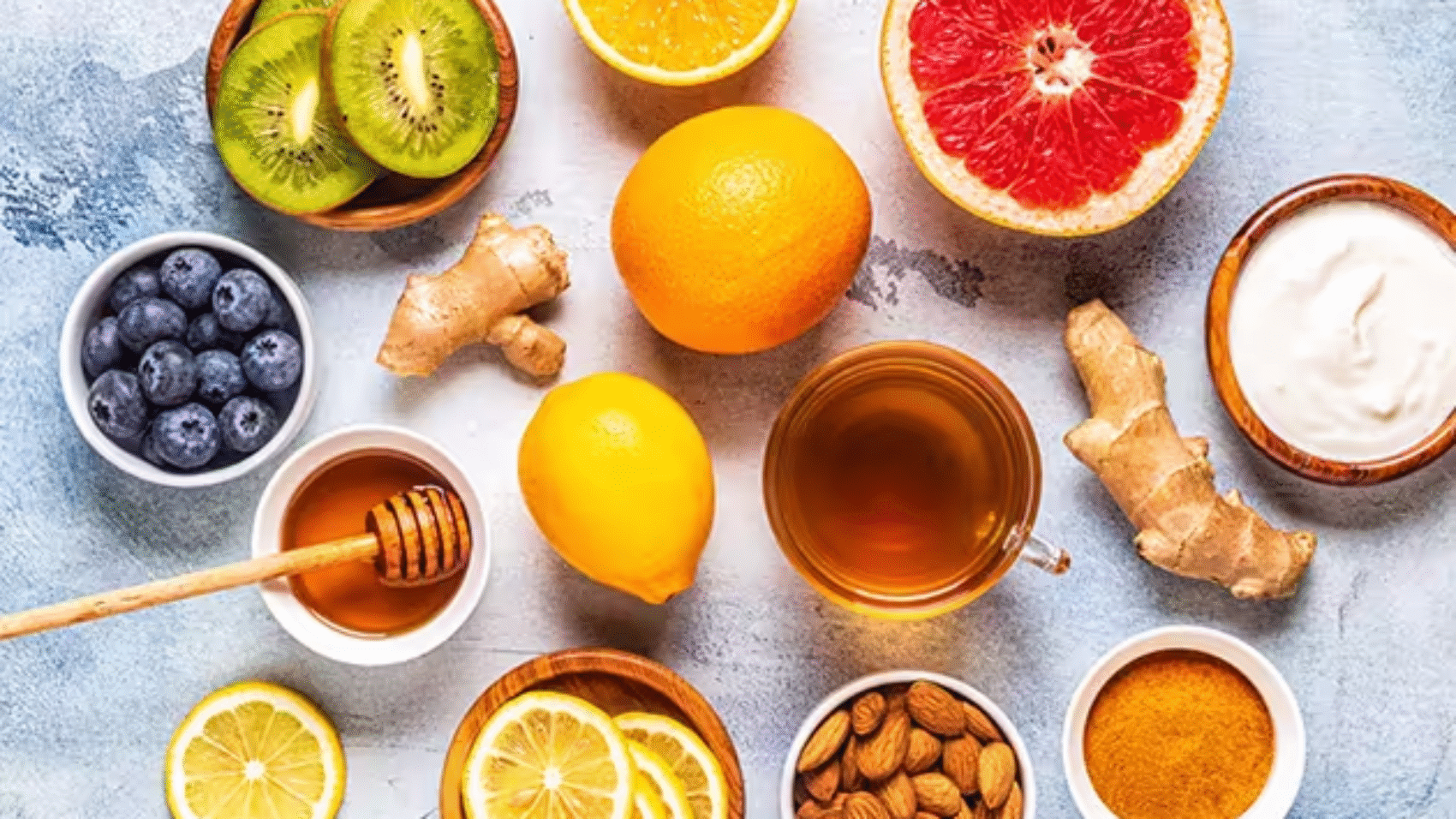
In today’s fast-paced world, maintaining a strong immune system is more important than ever. Your immunity is your body’s natural defense against infections, viruses, and other harmful invaders. While medical interventions like vaccines and medicines are essential, there are many natural ways to strengthen your immune system right at home. The good news is that boosting your immunity doesn’t always require complicated routines or expensive supplements—simple lifestyle changes and natural remedies can go a long way.
In this article, we’ll explore practical ways to naturally improve your immunity, backed by scientific reasoning, and explain how you can incorporate them into your daily life.
1. Eat a Nutrient-Rich Diet
Your diet is the foundation of a strong immune system. Certain nutrients, vitamins, and minerals are crucial for your body to fight off infections. Here’s what to include:
- Vitamin C: Found in citrus fruits like oranges, lemons, grapefruits, and vegetables like bell peppers, broccoli, and spinach, vitamin C boosts the production of white blood cells, which are essential for fighting infections.
- Vitamin D: Often called the “sunshine vitamin,” it can be obtained from sunlight exposure, fortified foods, and foods like eggs, fatty fish, and mushrooms. Vitamin D plays a vital role in immune function.
- Zinc: Found in nuts, seeds, legumes, and whole grains, zinc helps your immune cells function properly.
- Antioxidants: Berries, green leafy vegetables, and green tea are packed with antioxidants that protect your body from oxidative stress and support immune health.
Tip: Focus on a balanced diet with plenty of fresh fruits, vegetables, whole grains, lean proteins, and healthy fats. Avoid processed foods and excess sugar, which can weaken your immunity.
2. Stay Hydrated
Water is essential for overall health, including your immune system. Proper hydration helps your body flush out toxins, supports nutrient transport, and keeps your mucous membranes moist, which prevents bacteria and viruses from entering your body.
Tip: Aim for at least 8–10 glasses of water daily. You can also include herbal teas or infused water with lemon, ginger, or cucumber for extra nutrients and hydration.
3. Get Enough Sleep
Sleep is often underestimated but is one of the most important factors for immunity. During sleep, your body produces cytokines, proteins that fight infection and inflammation. Lack of sleep can lower your immune defenses, making you more susceptible to illness.
Tip: Adults should aim for 7–9 hours of quality sleep per night. Create a bedtime routine, avoid screens before sleep, and keep your bedroom cool and dark for better rest.
4. Manage Stress
Chronic stress can suppress your immune system, making it harder for your body to fight infections. Stress triggers the release of cortisol, a hormone that in high levels can reduce your white blood cell count.
How to manage stress naturally at home:
- Meditation: Even 10 minutes a day can calm your mind.
- Deep breathing exercises: Techniques like diaphragmatic breathing reduce stress hormones.
- Yoga or stretching: Physical activity not only relieves stress but also improves circulation and overall immunity.
- Hobbies: Engaging in activities you love can uplift your mood and reduce stress.
5. Regular Physical Activity
Exercise isn’t just for weight management; it also enhances immune function. Moderate exercise improves circulation, allowing immune cells to travel efficiently throughout your body. It also reduces inflammation and promotes overall health.
Tip: Aim for at least 30 minutes of moderate activity, like brisk walking, cycling, or light jogging, five times a week. Avoid overtraining, as excessive exercise can temporarily weaken immunity.
6. Use Natural Immunity Boosters
Several herbs and natural substances have been found to enhance immune function. You can easily include them in your daily routine:
- Garlic: Contains allicin, which has antimicrobial properties and can stimulate immune cells.
- Ginger: Known for its anti-inflammatory and antioxidant effects, it can help prevent illness.
- Turmeric: Curcumin, the active compound in turmeric, boosts immunity and fights inflammation.
- Honey: Raw honey has antibacterial properties and can soothe sore throats while supporting immunity.
Tip: Add these to your meals, teas, or smoothies for a natural immunity boost.
7. Practice Good Hygiene
While lifestyle and nutrition strengthen your immunity, preventing infection is equally important. Simple hygiene practices can significantly reduce the risk of illness:
- Wash hands regularly with soap and water.
- Avoid touching your face frequently.
- Keep your living space clean and ventilated.
- Use masks in crowded places during flu season or outbreaks.
8. Limit Alcohol and Quit Smoking
Excess alcohol can impair immune function, making it harder for your body to fight infections. Smoking damages the lungs and weakens immunity. Reducing alcohol intake and avoiding smoking are crucial steps in maintaining a strong immune system.
9. Sunlight Exposure
Sunlight is a natural source of vitamin D, which plays a critical role in immunity. Spending 15–20 minutes in the sun daily can help your body produce enough vitamin D to support immune function. Always balance sun exposure with skin protection to prevent damage.
10. Maintain a Healthy Weight
Obesity is linked to chronic inflammation, which can impair immune response. Maintaining a healthy weight through diet, exercise, and lifestyle habits supports your immune system and overall well-being.
Frequently Asked Questions (FAQs)
1. Can stress really affect my immunity?
Yes! Chronic stress increases cortisol, which can lower white blood cell production and weaken your immune defenses. Regular stress management techniques like meditation, deep breathing, and hobbies can help.
2. Are vitamins enough to boost immunity?
Vitamins and supplements can help if you have deficiencies, but they are not a substitute for a healthy lifestyle. Balanced nutrition, sleep, exercise, and stress management are equally important.
3. How does sleep improve immunity?
During sleep, your body produces cytokines and other infection-fighting cells. Poor sleep reduces the production of these protective substances, making you more susceptible to illness.
4. Are herbal remedies effective?
Yes, herbs like garlic, ginger, turmeric, and honey have been shown to support immunity. However, they work best as part of an overall healthy lifestyle rather than standalone treatments.
5. How long does it take to strengthen immunity naturally?
Immunity improvement is gradual. With consistent healthy habits, you can notice benefits within a few weeks, but long-term lifestyle changes ensure lasting immune health.
Conclusion
Boosting your immunity naturally at home is not just about avoiding illness—it’s about creating a lifestyle that supports long-term health and vitality. By eating nutrient-rich foods, staying hydrated, getting quality sleep, managing stress, exercising regularly, and using natural remedies, you can empower your body to fight infections effectively. Small, consistent steps taken every day can make a significant difference in how resilient your immune system is.
Remember, natural immunity boosters work best when combined with good hygiene, moderation in alcohol, no smoking, and regular medical check-ups. Your body is your best ally—treat it well, and it will defend you when you need it most.