
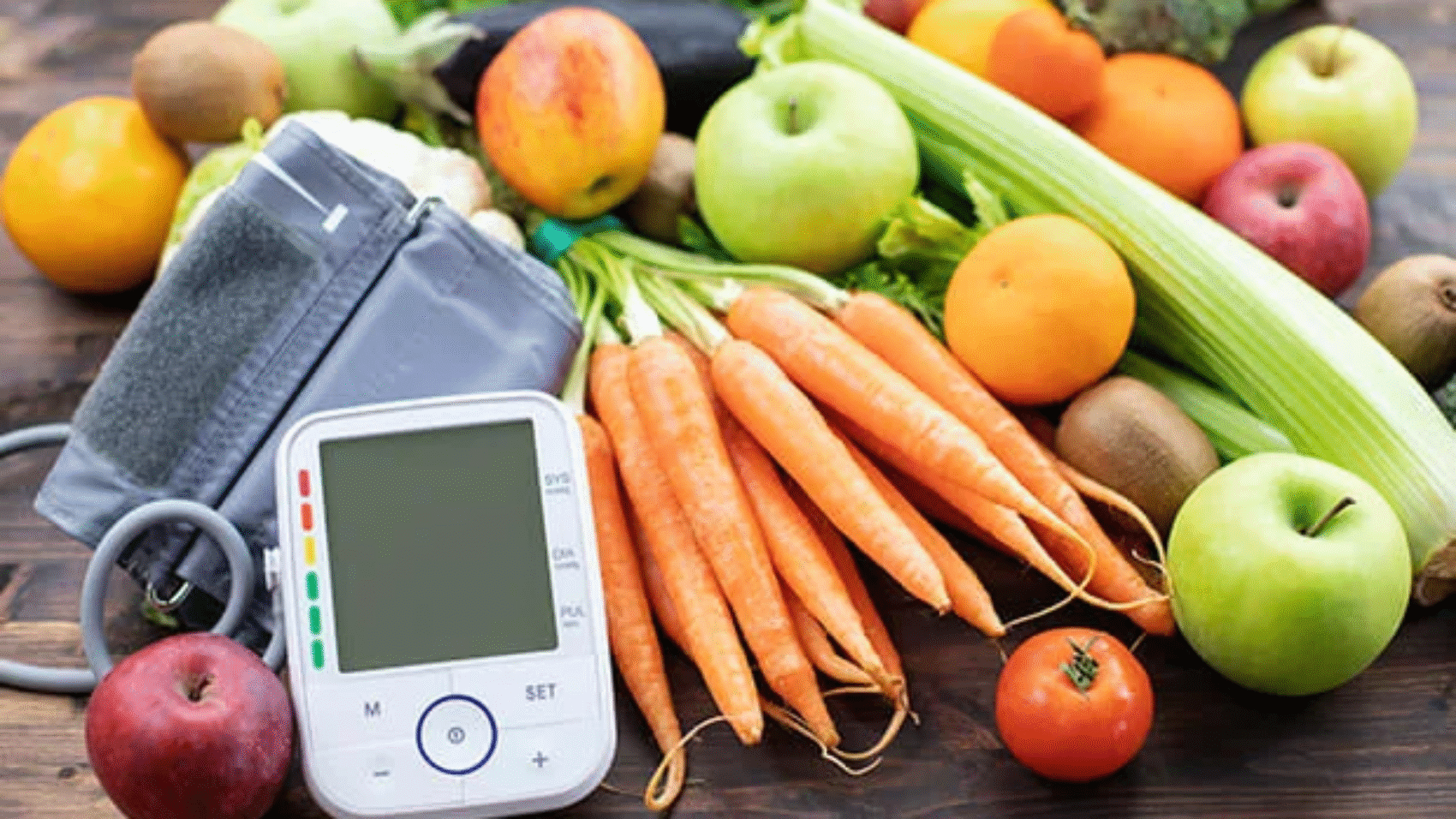
High blood pressure, also known as hypertension, is a common health problem that affects millions of people worldwide. If left unmanaged, it can increase the risk of serious health issues such as heart disease, stroke, and kidney problems. While medications are often prescribed to manage hypertension, many people are seeking natural ways to control their blood pressure without relying solely on drugs. The good news is that lifestyle changes, diet adjustments, and natural remedies can make a big difference. In this article, we will explore practical, evidence-based ways to control high blood pressure naturally.
Understanding High Blood Pressure
Blood pressure measures the force of blood pushing against the walls of your arteries. It is recorded as two numbers: systolic (the pressure when your heart beats) over diastolic (the pressure when your heart rests between beats). A normal blood pressure reading is usually around 120/80 mmHg. Anything consistently above 130/80 mmHg may be considered high.
High blood pressure often develops gradually over time and may not show obvious symptoms, which is why it is sometimes called the “silent killer.” Even if you feel fine, prolonged hypertension can damage your heart, arteries, and other organs.
1. Eat a Heart-Healthy Diet
Your diet plays a crucial role in regulating blood pressure. Certain foods can lower blood pressure naturally, while others may make it worse. Consider these dietary strategies:
- Increase fruits and vegetables: These are rich in potassium, fiber, and antioxidants, which help reduce blood pressure. Examples include bananas, oranges, spinach, and broccoli.
- Limit salt intake: Sodium can increase blood pressure by causing your body to retain water. Reduce processed foods, fast food, and packaged snacks. Use herbs and spices for flavor instead.
- Choose whole grains: Foods like oats, brown rice, and whole-wheat bread can improve heart health and lower blood pressure.
- Opt for lean proteins: Fish, poultry, beans, and legumes are healthier choices compared to fatty cuts of meat. Fatty fish like salmon contain omega-3 fatty acids, which may help reduce blood pressure.
- Avoid sugar and refined carbs: High sugar intake can contribute to weight gain and high blood pressure.
Following a diet pattern such as the DASH diet (Dietary Approaches to Stop Hypertension) has been shown to significantly lower blood pressure in clinical studies.
2. Maintain a Healthy Weight
Being overweight or obese is a major risk factor for high blood pressure. Excess weight forces your heart to work harder, which increases the pressure on your arteries.
- Track your weight: Regularly monitoring your weight can help you notice changes and take action early.
- Set realistic goals: Losing even 5-10% of your body weight can help lower your blood pressure.
- Combine diet and exercise: Healthy eating combined with regular physical activity is the most effective way to maintain a healthy weight.
3. Exercise Regularly
Physical activity strengthens your heart and improves blood flow, which naturally reduces blood pressure. You don’t have to run marathons—moderate exercise can be very effective.
- Aim for 30 minutes a day: Walking, cycling, swimming, or dancing for at least 30 minutes most days of the week is beneficial.
- Include strength training: Exercises like squats, lunges, and resistance band workouts improve overall cardiovascular health.
- Stay consistent: Long-term habits are more important than occasional bursts of intense exercise.
4. Manage Stress
Stress can temporarily raise blood pressure, and chronic stress may contribute to long-term hypertension. Learning to manage stress effectively is key.
- Practice mindfulness and meditation: These techniques help calm the mind and reduce stress hormones.
- Deep breathing exercises: Simple breathing exercises, like inhaling for four counts and exhaling for six, can lower blood pressure.
- Engage in relaxing activities: Reading, listening to music, or spending time in nature can help relieve stress.
- Maintain social connections: Spending time with friends and family can boost your mood and reduce stress levels.
5. Limit Alcohol and Quit Smoking
Both alcohol and smoking can negatively affect blood pressure.
- Alcohol: Drinking in moderation or avoiding it altogether is best. For most adults, this means up to one drink per day for women and two drinks per day for men.
- Smoking: Nicotine raises blood pressure and damages blood vessels. Quitting smoking improves heart health and overall well-being.
6. Get Enough Sleep
Sleep is essential for your cardiovascular system. Poor sleep or sleep disorders like sleep apnea can raise blood pressure.
- Aim for 7-9 hours per night: Create a consistent sleep schedule and a relaxing bedtime routine.
- Limit screens before bed: Reducing blue light exposure can improve sleep quality.
- Manage sleep disorders: If you suspect sleep apnea or insomnia, consult a doctor for proper treatment.
7. Include Natural Supplements
Some natural supplements may help reduce blood pressure. However, consult a healthcare professional before starting any supplement. Some options include:
- Potassium: Found in fruits and vegetables, potassium helps balance sodium levels in the body.
- Magnesium: This mineral may help relax blood vessels.
- Omega-3 fatty acids: Found in fish oil, these can reduce inflammation and support heart health.
- Garlic: Some studies suggest garlic supplements can help lower blood pressure slightly.
8. Monitor Your Blood Pressure Regularly
Regular monitoring helps you understand how your lifestyle changes are affecting your blood pressure.
- Home blood pressure monitors: These are convenient and easy to use.
- Keep a log: Record your readings and share them with your healthcare provider.
- Track trends, not single readings: Blood pressure fluctuates naturally, so focus on long-term patterns.
9. Stay Hydrated
Drinking enough water helps your body maintain proper blood volume and circulation. Aim for 6-8 glasses of water per day, or more if you exercise or live in a hot climate.
10. Reduce Caffeine Intake
Caffeine can temporarily raise blood pressure, especially in people sensitive to it. Consider limiting coffee, tea, and energy drinks, and opt for decaffeinated alternatives if necessary.
Conclusion
Controlling high blood pressure naturally is possible through a combination of diet, exercise, stress management, and healthy lifestyle choices. Small, consistent changes can have a big impact over time. Remember that managing hypertension is a lifelong commitment, and natural methods work best when paired with regular medical check-ups. By taking charge of your health today, you can reduce the risk of complications and improve your overall quality of life.
FAQs About Controlling High Blood Pressure Naturally
1. Can high blood pressure be reversed naturally?
While it may not always be fully “reversed,” high blood pressure can often be significantly reduced through diet, exercise, and lifestyle changes.
2. Which foods lower blood pressure the most?
Foods rich in potassium, magnesium, and fiber, such as leafy greens, bananas, oats, and beans, are particularly effective.
3. How much exercise is needed to lower blood pressure?
Moderate exercise for at least 30 minutes most days of the week is recommended. Consistency is key.
4. Can stress really affect blood pressure?
Yes. Chronic stress can increase blood pressure over time, so stress management is essential.
5. Is it safe to use supplements for lowering blood pressure?
Some supplements may help, but always consult a healthcare professional before starting, as interactions with medications are possible.