
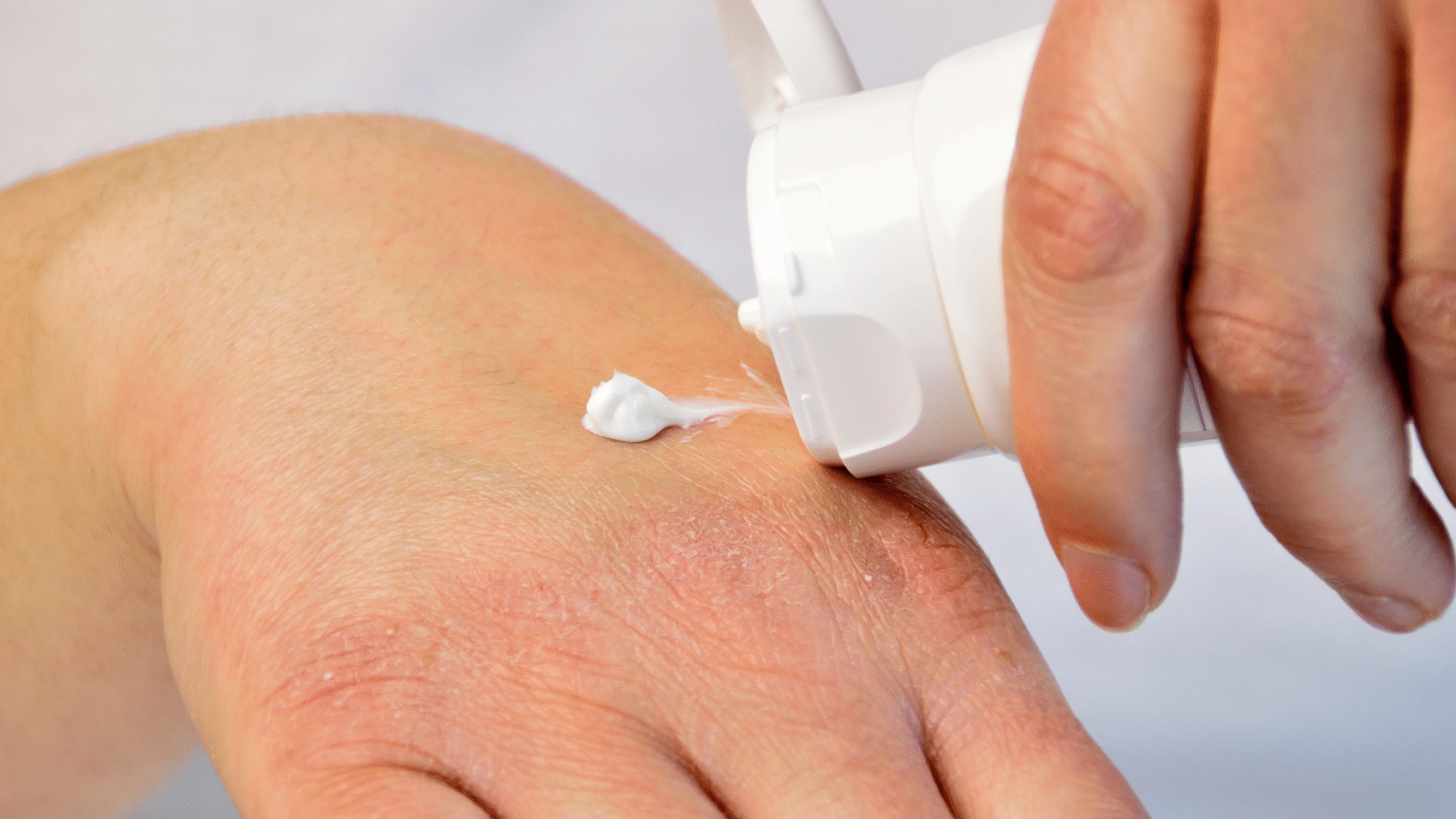
Eczema flare ups can be frustrating, uncomfortable, and sometimes even painful. The itching, redness, dryness, and irritation can affect daily life, sleep, and confidence. Many people rely on creams or medications, but others prefer a more natural approach to calm their skin and reduce flare ups over time.
The good news is that there are many natural ways to manage eczema flare ups safely and gently. While eczema cannot always be “cured,” natural treatments can help soothe symptoms, protect the skin barrier, and prevent future outbreaks.
This article explains how to treat eczema flare ups naturally, using simple language and practical tips that are easy to follow.
Understanding Eczema Flare Ups
Eczema, also known as atopic dermatitis, is a chronic skin condition. It often comes and goes, meaning symptoms can disappear for a while and then suddenly flare up again.
Common signs of an eczema flare up include:
- Intense itching
- Red or inflamed skin
- Dry, cracked, or flaky patches
- Swelling or rough texture
- Sometimes oozing or crusting
Flare ups can be triggered by many factors such as stress, weather changes, allergens, harsh soaps, certain foods, or even sweating.
Knowing your triggers is the first step toward natural eczema management.
Moisturize the Skin Naturally and Often
One of the most important natural ways to treat eczema flare ups is keeping the skin well moisturized. Eczema-prone skin loses moisture quickly, which leads to irritation and itching.
Best Natural Moisturizers for Eczema
- Coconut oil: Helps lock in moisture and has antibacterial properties
- Shea butter: Rich, soothing, and great for very dry skin
- Olive oil: Provides hydration and antioxidants
- Jojoba oil: Similar to natural skin oils and absorbs easily
Apply moisturizer at least twice a day, especially after bathing while the skin is still slightly damp. This helps seal in moisture and protect the skin barrier.
Use Gentle, Natural Cleansing Habits
Harsh soaps and cleansers can make eczema flare ups worse. They strip the skin of its natural oils and cause dryness.
Natural Cleansing Tips
- Use fragrance-free, mild cleansers
- Avoid long, hot showers
- Choose lukewarm water instead
- Pat skin dry with a soft towel instead of rubbing
You can also use natural soap alternatives like oatmeal-based cleansers or castile soap, which are gentler on sensitive skin.
Soothe Itching with Oatmeal
Oatmeal is one of the most effective natural remedies for eczema flare ups. It helps calm inflammation and reduce itching.
How to Use Oatmeal for Eczema
- Add colloidal oatmeal to a warm bath and soak for 10–15 minutes
- Mix ground oats with water to make a paste and apply to itchy areas
- Use oatmeal-based creams or lotions
Oatmeal creates a protective layer on the skin and helps restore moisture naturally.
Reduce Inflammation with Natural Oils
Certain natural oils have anti-inflammatory and calming properties that are helpful during eczema flare ups.
Helpful Natural Oils
- Sunflower seed oil: Supports the skin barrier
- Calendula oil: Known for healing and soothing irritated skin
- Chamomile oil: Helps reduce redness and itching
Always do a small patch test before applying oils to ensure your skin does not react.
Manage Stress Naturally
Stress is a common trigger for eczema flare ups. When the body is under stress, inflammation increases, which can worsen skin conditions.
Natural Stress-Relief Methods
- Deep breathing exercises
- Yoga or gentle stretching
- Meditation or mindfulness
- Adequate sleep
- Spending time outdoors
Reducing stress not only helps your skin but also improves overall health.
Eat Skin-Friendly Foods
What you eat can affect your skin. Some foods may trigger eczema flare ups, while others support healthy skin.
Foods That May Help Eczema
- Fatty fish (rich in omega-3s)
- Leafy green vegetables
- Fruits like apples and berries
- Whole grains
- Probiotic-rich foods like yogurt or fermented foods
Foods That May Trigger Flare Ups
- Processed foods
- Excess sugar
- Dairy (for some people)
- Spicy or fried foods
Keeping a food diary can help identify personal triggers.
Wear Soft, Breathable Clothing
Clothing choices can make a big difference during eczema flare ups. Rough fabrics can irritate the skin and cause itching.
Best Clothing Tips
- Choose 100% cotton or bamboo fabrics
- Avoid wool or synthetic materials
- Wash clothes with fragrance-free detergent
- Remove tags that rub against the skin
Comfortable clothing helps reduce friction and irritation.
Use Natural Remedies with Caution
Some natural remedies are helpful, but not all are suitable for everyone. Always test a small area first.
Popular Natural Remedies
- Aloe vera: Cooling and soothing for inflamed skin
- Honey: Has antibacterial properties when used in small amounts
- Apple cider vinegar (diluted): May help restore skin balance
Never apply undiluted vinegar or strong essential oils directly to the skin.
Protect Skin from Weather Changes
Weather plays a big role in eczema flare ups. Cold air dries the skin, while heat and sweat can trigger itching.
Weather Protection Tips
- Use a humidifier during dry seasons
- Moisturize more often in winter
- Shower after sweating
- Avoid sudden temperature changes
Protecting your skin year-round helps prevent flare ups naturally.
Be Patient and Consistent
Natural eczema treatment takes time. Results may not happen overnight, but consistency is key.
Stick to a simple routine:
- Moisturize daily
- Avoid triggers
- Eat well
- Manage stress
- Be gentle with your skin
Over time, these habits can reduce the frequency and severity of eczema flare ups.
Frequently Asked Questions (FAQs)
1. Can eczema flare ups be treated naturally without medication?
Yes, many people manage eczema flare ups naturally by moisturizing regularly, avoiding triggers, using gentle skincare, and improving lifestyle habits. However, severe cases may still need medical advice.
2. How long does a natural eczema flare up treatment take to work?
Natural treatments often take several days to weeks to show improvement. Consistency is important for long-term results.
3. Is coconut oil good for eczema flare ups?
Yes, coconut oil can help moisturize the skin and reduce bacteria, but it may not work for everyone. Always do a patch test first.
4. Does diet really affect eczema?
For many people, yes. Certain foods can trigger flare ups, while anti-inflammatory foods can help improve skin health.
5. Can stress really make eczema worse?
Yes, stress can increase inflammation in the body and trigger eczema flare ups. Managing stress naturally can help control symptoms.
Final Thoughts
Learning how to treat eczema flare ups naturally is about understanding your skin and treating it with care. Natural remedies focus on healing, protecting, and supporting the skin instead of just covering up symptoms.
With gentle skincare, healthy habits, and patience, many people find lasting relief and better control over their eczema. Always listen to your body, stay consistent, and seek professional advice if symptoms become severe.