
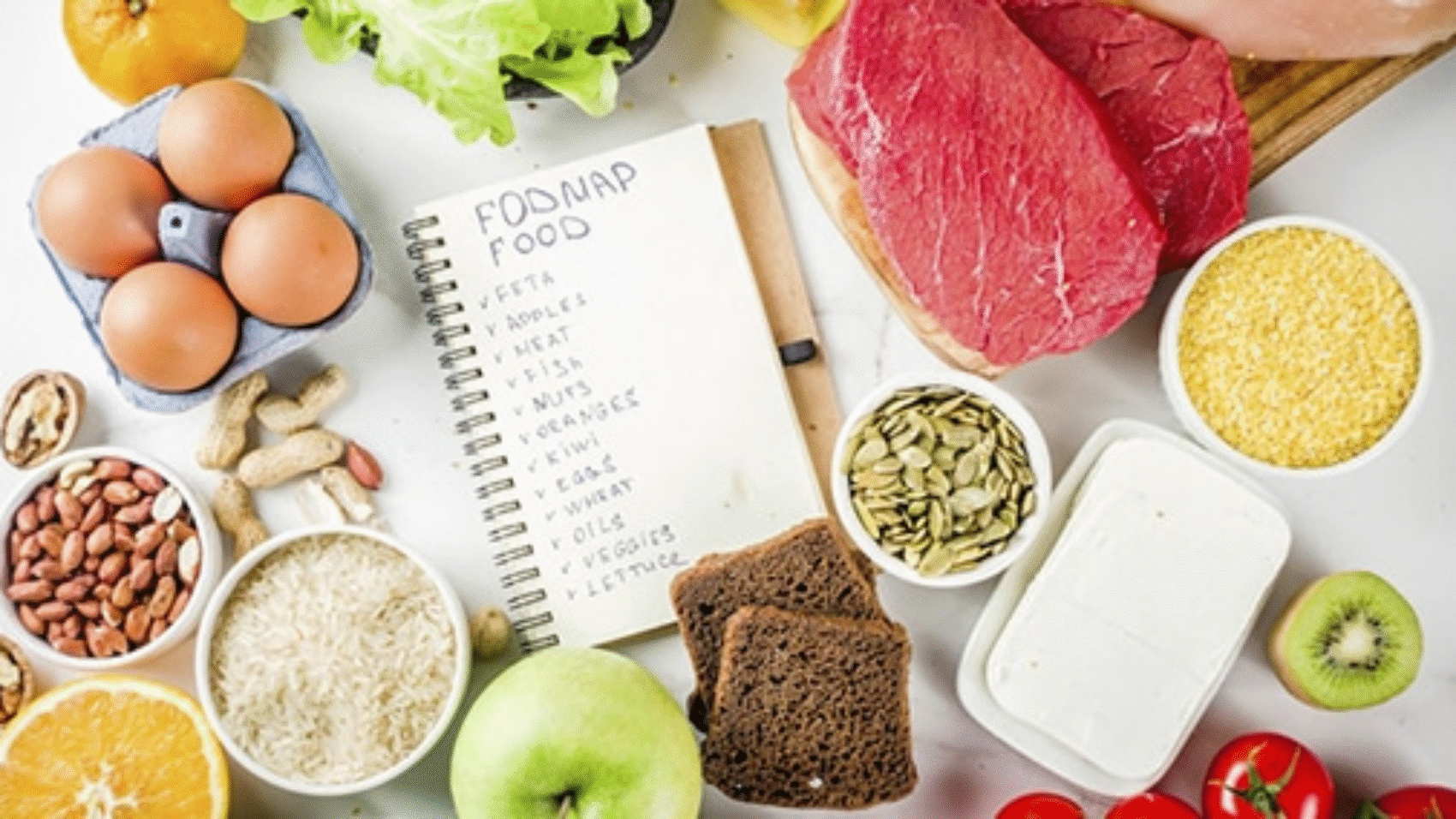
Irritable Bowel Syndrome, often called IBS, is a common digestive condition that affects millions of people around the world. Even though it is not a life-threatening illness, it can strongly affect daily life. Many people struggle with stomach pain, uncomfortable bowel habits, and food-related issues without fully understanding what is happening inside their body.
In this article, we will explain irritable bowel syndrome symptoms and diet in a clear and easy way. You will learn what IBS is, how to recognize its symptoms, and how the right diet can help manage the condition better.
What Is Irritable Bowel Syndrome (IBS)?
Irritable Bowel Syndrome is a functional digestive disorder, which means the digestive system looks normal but does not work properly. IBS mainly affects the large intestine (colon) and causes ongoing digestive problems.
Doctors do not know one exact cause of IBS. However, it is often linked to:
- Sensitive intestines
- Stress and anxiety
- Poor gut movement
- Food intolerance
- Imbalance of gut bacteria
IBS is a long-term condition, but with the right care, diet, and lifestyle changes, many people can control their symptoms and live comfortably.
Common Irritable Bowel Syndrome Symptoms
IBS symptoms can be different for each person. Some people may have mild discomfort, while others experience severe symptoms. The symptoms may also come and go.
1. Abdominal Pain and Cramping
One of the most common irritable bowel syndrome symptoms is stomach pain. The pain usually feels like cramps and often improves after a bowel movement. It may be worse after eating certain foods.
2. Bloating and Gas
Many people with IBS feel bloated, as if their stomach is full of air. Excess gas can cause discomfort and embarrassment, especially after meals.
3. Diarrhea (IBS-D)
Some people experience frequent loose or watery stools. This type is known as IBS with diarrhea. Urgent trips to the bathroom are common.
4. Constipation (IBS-C)
Others struggle with hard stools and difficulty passing bowel movements. This type is called IBS with constipation.
5. Mixed IBS (IBS-M)
Some people experience both diarrhea and constipation at different times.
6. Mucus in Stool
Seeing white or clear mucus in the stool is another sign often linked with IBS.
7. Fatigue and Poor Sleep
Although IBS mainly affects digestion, it can also cause tiredness, low energy, and sleep problems.
How Diet Affects Irritable Bowel Syndrome
Diet plays a very important role in managing IBS. Certain foods can trigger symptoms, while others can help calm the digestive system. There is no single diet that works for everyone, but learning which foods suit your body can make a big difference.
Foods That May Trigger IBS Symptoms
People with IBS often find that some foods make their symptoms worse. These foods may cause bloating, gas, diarrhea, or pain.
1. Fatty and Fried Foods
Greasy foods can slow digestion and worsen cramps and diarrhea.
2. Dairy Products
Milk, cheese, and ice cream may cause problems for people who are lactose intolerant.
3. Spicy Foods
Chili, hot sauces, and spicy meals can irritate the digestive tract.
4. Carbonated Drinks
Soda and fizzy drinks add gas to the stomach, leading to bloating.
5. Artificial Sweeteners
Sweeteners like sorbitol and mannitol can cause diarrhea and gas.
6. Certain Fruits and Vegetables
Foods like onions, cabbage, beans, apples, and pears may be hard to digest for some people.
The Low FODMAP Diet and IBS
One of the most recommended diets for IBS is the low FODMAP diet. FODMAPs are types of carbohydrates that are poorly absorbed in the gut.
Foods high in FODMAPs can cause gas, bloating, and pain. Examples include:
- Wheat
- Garlic
- Onions
- Milk
- Apples
- Beans
A low FODMAP diet helps identify which foods trigger symptoms. It is usually followed in three steps:
- Remove high FODMAP foods
- Slowly reintroduce foods
- Create a personalized diet
Many people see significant improvement by following this approach.
IBS-Friendly Foods to Include in Your Diet
While some foods cause problems, others are gentle on the stomach and help digestion.
1. Low-Fiber Fruits
Bananas, blueberries, strawberries, and oranges are usually well tolerated.
2. Cooked Vegetables
Carrots, zucchini, spinach, and potatoes are easier to digest when cooked.
3. Lean Proteins
Chicken, fish, eggs, and tofu are good protein sources that do not irritate the gut.
4. Whole Grains (in Small Amounts)
Oats, quinoa, and rice can be better than wheat-based foods.
5. Probiotics
Yogurt with live cultures and probiotic supplements may help balance gut bacteria.
Lifestyle Tips Along with Diet
Diet alone is not enough. Healthy habits can greatly reduce irritable bowel syndrome symptoms.
- Eat smaller meals
- Chew food slowly
- Drink plenty of water
- Reduce caffeine and alcohol
- Exercise regularly
- Manage stress with yoga or meditation
Stress is a major IBS trigger, so calming the mind often helps calm the gut.
When to See a Doctor
You should see a doctor if:
- Symptoms are severe or worsening
- You experience weight loss
- There is blood in the stool
- Symptoms wake you at night
These signs may indicate other conditions that need medical attention.
Conclusion
Understanding irritable bowel syndrome symptoms and diet is the key to managing IBS effectively. Although IBS can be uncomfortable and frustrating, it does not have to control your life. By recognizing your symptoms, choosing the right foods, and making simple lifestyle changes, you can reduce discomfort and improve your quality of life.
Everyone’s body is different, so patience is important. With time and careful attention, many people successfully manage IBS and enjoy everyday activities again.
Frequently Asked Questions (FAQs)
1. Is IBS a serious disease?
No, IBS is not life-threatening, but it can affect daily comfort and emotional health.
2. Can diet alone cure IBS?
There is no cure for IBS, but the right diet can greatly reduce symptoms.
3. How long does an IBS flare-up last?
Flare-ups can last from a few days to several weeks, depending on triggers and management.
4. Is IBS caused by stress?
Stress does not cause IBS, but it can worsen symptoms.
5. Can IBS go away on its own?
IBS is usually long-term, but symptoms can improve with proper care and lifestyle changes.