
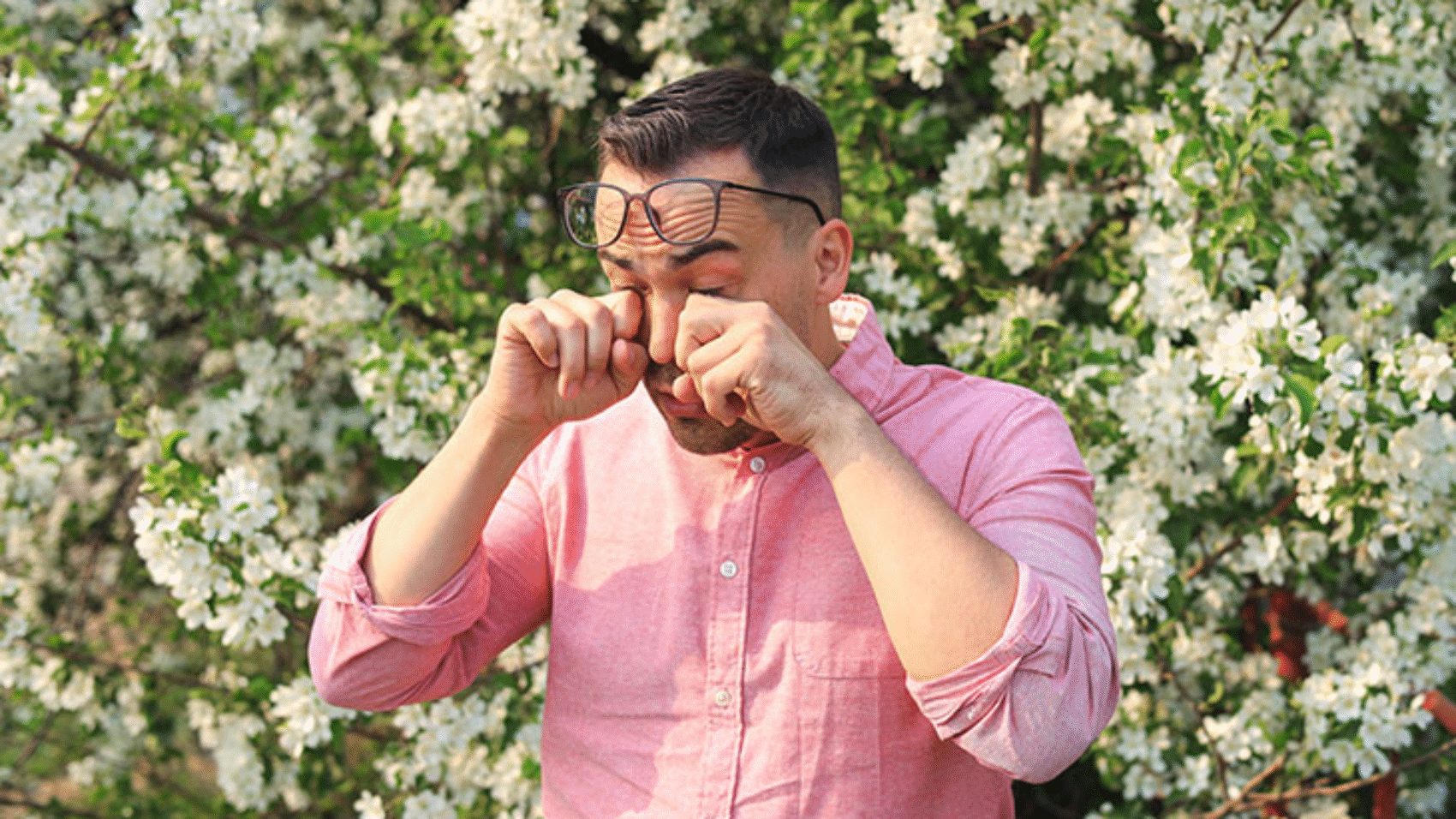
Seasonal allergies are a common problem that affect millions of people worldwide. They occur when the body’s immune system reacts to allergens found in the environment during specific times of the year. These allergens can include pollen from trees, grasses, and weeds, as well as mold spores. Seasonal allergies are often referred to as “hay fever” or allergic rhinitis and can cause a range of uncomfortable symptoms.
Understanding seasonal allergies is the first step to managing them effectively. In this article, we will explore the common symptoms, causes, treatment options, and practical tips to reduce allergy attacks.
What Are Seasonal Allergies?
Seasonal allergies happen when your immune system overreacts to harmless substances in the air, like pollen or mold. Instead of ignoring these allergens, the immune system sees them as threats and releases chemicals such as histamine. This response causes the body to display allergy symptoms.
These allergies are seasonal because the allergens are present only at certain times of the year. For example, tree pollen is most common in the spring, grass pollen in late spring and early summer, and weed pollen in late summer and fall. Mold spores can appear throughout the year but are more prevalent during damp or rainy seasons.
Common Seasonal Allergy Symptoms
Seasonal allergy symptoms can range from mild to severe. Some people may only experience minor irritation, while others suffer significant discomfort. Common symptoms include:
- Sneezing: Frequent and sudden sneezing is one of the most noticeable signs of seasonal allergies. It usually occurs when the nasal passages are irritated by pollen.
- Runny or Stuffy Nose: Nasal congestion and a constant runny nose are common. Mucus production increases as the body tries to flush out allergens.
- Itchy Eyes, Nose, or Throat: The release of histamine causes itching. Many people experience red, watery, or swollen eyes during allergy season.
- Coughing: Postnasal drip can lead to irritation in the throat, causing persistent coughing.
- Fatigue: Allergies can make you feel unusually tired or sluggish. The body expends energy fighting allergens, which can leave you feeling drained.
- Headaches: Sinus pressure and congestion can result in headaches, especially if symptoms are severe.
- Wheezing or Shortness of Breath: Although less common, some individuals with asthma may experience difficulty breathing during allergy season.
It is essential to recognize these symptoms early so you can manage them effectively before they worsen.
Causes of Seasonal Allergies
The main cause of seasonal allergies is the body’s immune system reacting to environmental allergens. Common triggers include:
- Pollen: The most frequent cause of seasonal allergies. Different plants release pollen at various times of the year.
- Mold Spores: Mold grows in damp areas and releases spores into the air, triggering allergies.
- Dust and Pollution: While not strictly seasonal, dust and pollution can worsen allergy symptoms.
- Pet Dander: Sometimes, pet allergies become more noticeable during pollen season due to increased exposure outdoors.
Environmental factors such as wind, humidity, and temperature also affect the concentration of allergens in the air, which explains why some days feel worse than others.
Diagnosis of Seasonal Allergies
If you experience allergy symptoms every year around the same time, you may have seasonal allergies. A doctor can diagnose allergies using the following methods:
- Medical History: Your doctor will ask about your symptoms, their duration, and when they occur.
- Physical Examination: Checking your nose, throat, and eyes for signs of allergy-related irritation.
- Allergy Testing: Skin prick tests or blood tests can identify specific allergens triggering your symptoms.
Getting a proper diagnosis is important to ensure you receive the right treatment and avoid complications.
Treatment Options for Seasonal Allergies
Treatment for seasonal allergies usually involves a combination of lifestyle adjustments, medications, and sometimes natural remedies. The goal is to reduce exposure to allergens, relieve symptoms, and improve quality of life.
1. Avoiding Allergens
The most effective way to manage allergies is to limit exposure to triggers:
- Stay indoors during high pollen counts: Check local pollen forecasts and try to remain indoors during peak hours.
- Keep windows closed: Use air conditioning to filter air inside your home.
- Shower after outdoor activities: Pollen can stick to your hair and skin.
- Clean regularly: Vacuum floors, use dust filters, and remove mold-prone areas in your home.
2. Over-the-Counter Medications
Several medications can help relieve allergy symptoms:
- Antihistamines: Reduce itching, sneezing, and runny nose. Common examples include cetirizine, loratadine, and fexofenadine.
- Decongestants: Help reduce nasal congestion. These include pseudoephedrine and nasal sprays.
- Nasal corticosteroids: Reduce inflammation in nasal passages. Examples include fluticasone and mometasone.
Always follow the recommended dosage and consult a doctor if you are unsure which medication is safe for you.
3. Prescription Treatments
For severe allergies, a doctor may prescribe stronger medications or therapies:
- Immunotherapy (Allergy Shots): Gradually exposes the body to allergens to build tolerance.
- Leukotriene inhibitors: Medications like montelukast can reduce allergic reactions in some individuals.
4. Natural Remedies
Some people find relief using natural remedies:
- Saline nasal sprays: Help flush out allergens from the nasal passages.
- Steam inhalation: Moist air can soothe irritated nasal passages.
- Local honey: Though not scientifically proven, some people use it to reduce pollen sensitivity over time.
While natural remedies can help, they should not replace medical treatment for severe allergies.
Lifestyle Tips to Reduce Seasonal Allergy Symptoms
In addition to treatments, certain lifestyle adjustments can significantly reduce allergy symptoms:
- Wear Sunglasses Outdoors: Helps prevent pollen from getting into your eyes.
- Change Clothes After Being Outside: Reduces the amount of pollen brought into your home.
- Use HEPA Filters: High-efficiency particulate air filters can remove allergens from indoor air.
- Maintain a Healthy Diet: Foods rich in antioxidants, such as fruits and vegetables, may support the immune system.
- Stay Hydrated: Drinking water helps thin mucus and reduce nasal congestion.
When to See a Doctor
While seasonal allergies are usually manageable, you should consult a doctor if:
- Symptoms persist despite over-the-counter treatment.
- You experience wheezing, shortness of breath, or chest tightness.
- You develop sinus infections or severe headaches.
- Allergy symptoms interfere with your daily life or sleep.
Early medical intervention can prevent complications and improve your quality of life.
Conclusion
Seasonal allergies are a common but manageable condition. Recognizing the symptoms, identifying the triggers, and taking proactive steps can make a significant difference. With the right combination of lifestyle changes, medications, and medical guidance, you can enjoy the seasons without being constantly bothered by allergies. Remember, what works for one person may not work for another, so it may take some experimentation to find the best approach for you.
Frequently Asked Questions (FAQs)
1. Can seasonal allergies go away on their own?
Seasonal allergies usually persist as long as the allergen is present. Symptoms may temporarily decrease when pollen levels are low but often return each season.
2. Are children more prone to seasonal allergies?
Yes, children can develop seasonal allergies, often starting between ages 3 and 5. Symptoms are similar to adults but may affect sleep and concentration more.
3. Can seasonal allergies trigger asthma?
Yes, seasonal allergens like pollen can worsen asthma symptoms, causing wheezing, coughing, and shortness of breath. Asthma patients should manage allergies carefully.
4. Is it safe to take allergy medications long-term?
Most over-the-counter antihistamines are safe for long-term use, but nasal sprays and stronger medications should be used under medical supervision.
5. Do natural remedies really help with seasonal allergies?
Some natural remedies like saline sprays, steam inhalation, and lifestyle changes can reduce symptoms, but they are usually most effective when combined with conventional treatments.