
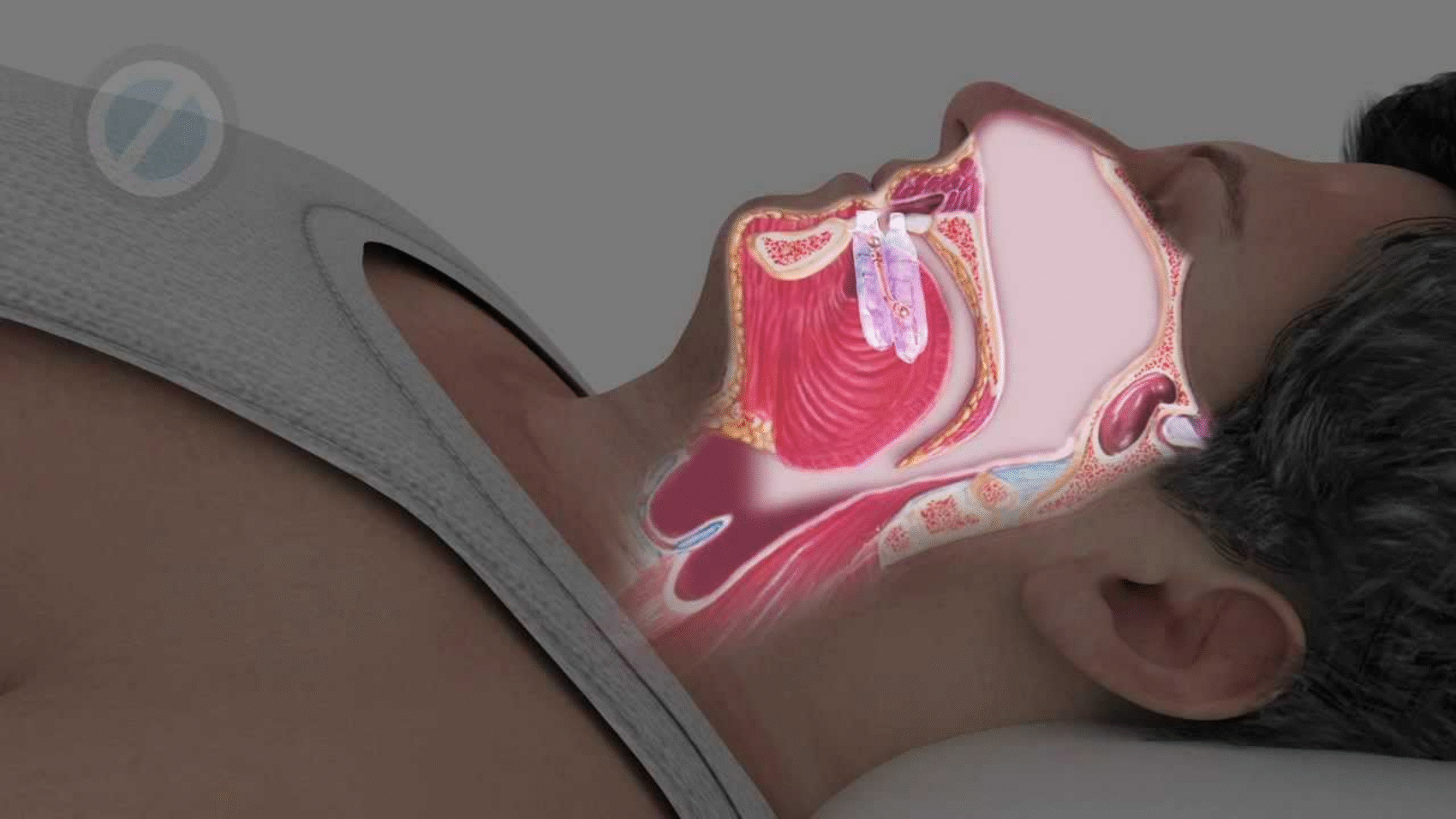
Sleep is essential for good health. Yet, millions of people struggle with sleep problems without realizing it. One of the most common but often overlooked sleep disorders is sleep apnea. This condition can have serious health consequences if left untreated. Understanding the signs and symptoms of sleep apnea is the first step toward getting proper help.
In this article, we’ll explain what sleep apnea is, its main types, common signs and symptoms, and when to see a doctor. We’ll also answer some frequently asked questions to help you better understand this condition.
What is Sleep Apnea?
Sleep apnea is a disorder where your breathing repeatedly stops and starts while you sleep. These pauses in breathing can last a few seconds to minutes and can happen multiple times per night. Over time, these interruptions can affect the quality of your sleep and your overall health.
There are three main types of sleep apnea:
- Obstructive Sleep Apnea (OSA) – The most common type. It occurs when the muscles in the throat relax excessively, blocking your airway.
- Central Sleep Apnea (CSA) – Less common. This happens when your brain fails to send proper signals to the muscles that control breathing.
- Complex Sleep Apnea Syndrome – Also called treatment-emergent sleep apnea, this is a combination of obstructive and central sleep apnea.
Common Signs of Sleep Apnea
Recognizing sleep apnea early can prevent long-term health issues such as high blood pressure, heart problems, stroke, and diabetes. Here are the most common signs that might indicate sleep apnea:
1. Loud Snoring
One of the most well-known signs of sleep apnea is loud, persistent snoring. While not everyone who snores has sleep apnea, it is often an early warning sign, especially if it is accompanied by choking or gasping during sleep.
2. Pauses in Breathing
Many people with sleep apnea experience pauses in breathing during sleep. These pauses are often noticed by a partner or family member and can last from a few seconds to over a minute. After each pause, the person may make a choking or snorting sound as breathing resumes.
3. Daytime Sleepiness
Because sleep apnea disrupts normal sleep cycles, affected individuals often feel extremely tired during the day, even after a full night’s sleep. This excessive daytime sleepiness can interfere with work, school, and daily activities.
4. Morning Headaches
Frequent morning headaches can be a symptom of sleep apnea. The headaches occur due to changes in oxygen and carbon dioxide levels in the blood during interrupted breathing at night.
5. Difficulty Concentrating
People with sleep apnea may find it hard to focus, remember things, or complete tasks. Poor sleep quality affects cognitive function, leading to memory problems and reduced attention span.
6. Irritability and Mood Changes
Sleep deprivation caused by sleep apnea can result in irritability, mood swings, anxiety, or depression. These changes can affect personal relationships and overall well-being.
7. Sore Throat or Dry Mouth
Waking up with a dry mouth or sore throat can be another sign. This is often due to breathing through the mouth during sleep, which may happen if the airway is partially blocked.
8. Night Sweats
Some people with sleep apnea experience night sweats. These episodes of excessive sweating are linked to repeated awakenings and changes in oxygen levels.
Risk Factors That Increase the Likelihood of Sleep Apnea
Certain factors make sleep apnea more likely. Being aware of these risk factors can help you recognize the condition sooner:
- Obesity – Extra weight, especially around the neck, can block the airway.
- Age – Sleep apnea is more common in adults over 40.
- Gender – Men are more likely to develop sleep apnea, though women are also affected, especially after menopause.
- Family History – Genetics can play a role in the risk of sleep apnea.
- Neck Circumference – A thicker neck may narrow the airway.
- Smoking and Alcohol – Both can increase airway obstruction.
- Nasal Congestion – Chronic nasal obstruction can contribute to sleep apnea.
When to See a Doctor
If you notice any combination of these signs or symptoms, it’s important to consult a healthcare professional. Sleep apnea can be diagnosed using a sleep study, which monitors your breathing, oxygen levels, and heart rate during sleep.
Early diagnosis and treatment can significantly improve your quality of life and reduce the risk of serious health problems.
Common Treatments for Sleep Apnea
The right treatment depends on the type and severity of sleep apnea. Some common options include:
- Lifestyle Changes – Losing weight, avoiding alcohol before bed, quitting smoking, and sleeping on your side can help.
- Continuous Positive Airway Pressure (CPAP) – A mask that delivers air pressure to keep your airway open during sleep.
- Oral Appliances – Dental devices that help keep the airway open.
- Surgery – In severe cases, surgery may be needed to remove excess tissue or correct structural problems in the airway.
FAQs About Sleep Apnea
1. Can sleep apnea be cured?
Sleep apnea cannot always be completely cured, but it can be effectively managed with lifestyle changes, CPAP therapy, or surgery. Many people experience significant improvement in symptoms.
2. Is snoring always a sign of sleep apnea?
Not all snoring indicates sleep apnea. However, loud snoring accompanied by pauses in breathing, choking, or gasping is a strong sign that you should get evaluated.
3. Can children have sleep apnea?
Yes, children can develop sleep apnea, often due to enlarged tonsils or adenoids. Signs in children include loud snoring, restless sleep, behavioral problems, and daytime sleepiness.
4. How does sleep apnea affect overall health?
Untreated sleep apnea increases the risk of high blood pressure, heart disease, stroke, diabetes, and obesity. It also affects mood, concentration, and overall quality of life.
5. Are there natural remedies for sleep apnea?
While lifestyle changes like weight loss, avoiding alcohol, and changing sleep positions can help, natural remedies alone are rarely enough for moderate or severe sleep apnea. Medical evaluation is recommended.
Conclusion
Sleep apnea is a common but often overlooked condition that can seriously affect your health and daily life. By recognizing the signs and symptoms of sleep apnea—from loud snoring and daytime sleepiness to headaches and mood changes—you can take steps to get the help you need.
Early diagnosis, lifestyle changes, and proper medical treatment can improve sleep quality, boost overall health, and prevent long-term complications. Don’t ignore the warning signs—your sleep and health are worth it.