
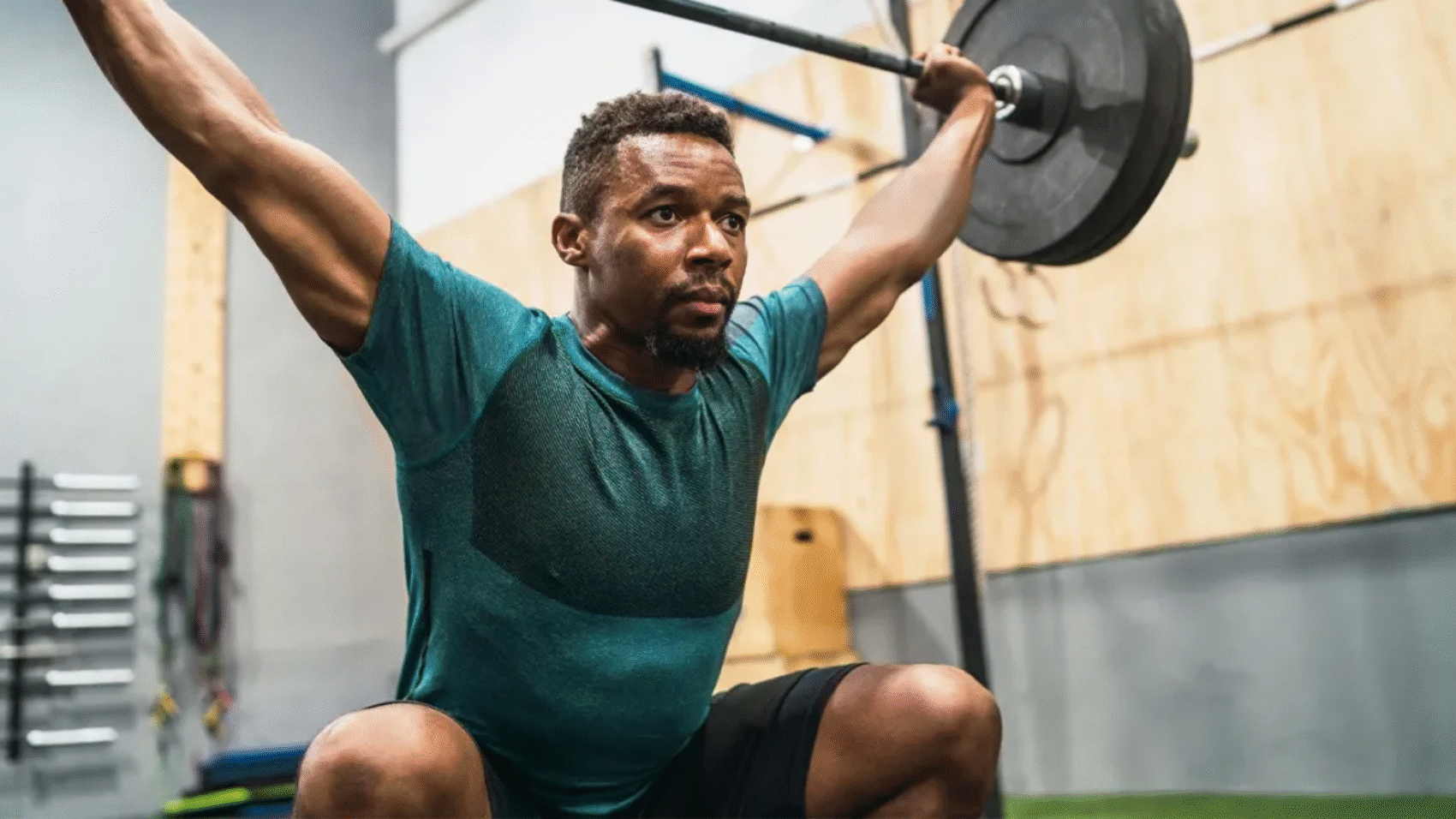
Strength training is one of the most effective ways to improve your overall health, build muscle, boost metabolism, and increase energy levels. If you’re new to exercising or have never done weight training, it might seem intimidating. But don’t worry! Strength training is accessible to everyone, regardless of age or fitness level. This guide will walk you through the basics, the benefits, and beginner-friendly exercises you can start today.
What is Strength Training?
Strength training, also called resistance training, involves exercises that make your muscles work against some type of resistance. This resistance could be:
- Weights: Dumbbells, barbells, kettlebells
- Your body weight: Push-ups, squats, planks
- Resistance bands: Elastic bands that add tension
The main goal is to make your muscles stronger and more resilient. Over time, strength training can improve muscle tone, enhance bone density, and support joint health. Plus, it can help with everyday tasks like lifting, carrying, and even standing for long periods without fatigue.
Benefits of Strength Training for Beginners
Even if you’re just starting, strength training can provide significant benefits:
- Increased Muscle Strength and Tone: Your muscles adapt to resistance by becoming stronger and firmer.
- Better Bone Health: Resistance exercises stimulate bone growth and help prevent osteoporosis.
- Improved Metabolism: Muscle burns more calories than fat, even at rest, which can aid in weight management.
- Enhanced Mental Health: Exercise, including strength training, releases endorphins that reduce stress and anxiety.
- Injury Prevention: Strong muscles support your joints and reduce the risk of injuries.
- Better Posture and Balance: Strengthening your core muscles improves posture and stability.
Even a few simple exercises done consistently can make a noticeable difference in a few weeks.
How to Get Started Safely
Before diving into exercises, it’s important to follow some basic guidelines to prevent injuries:
- Warm Up: Start with 5–10 minutes of light cardio (walking, jogging, or jumping jacks) to get your blood flowing.
- Start Slow: Begin with lighter weights or bodyweight exercises. Focus on proper form rather than lifting heavy.
- Use Proper Form: Good technique is more important than how much weight you lift. Poor form can lead to injuries.
- Rest Between Workouts: Muscles need time to recover. Begin with 2–3 sessions per week.
- Stay Hydrated: Drink water before, during, and after your workout.
- Listen to Your Body: Mild soreness is normal, but sharp pain is a warning sign.
Beginner-Friendly Strength Training Exercises
Here’s a list of beginner-friendly exercises that cover all major muscle groups. You don’t need fancy equipment—just your body and, optionally, some dumbbells or resistance bands.
1. Squats
- Muscles Worked: Thighs, glutes, hips, lower back
- How to Do: Stand with feet shoulder-width apart. Bend your knees and lower your hips as if sitting in a chair. Keep your chest upright and knees behind your toes. Push through your heels to return to standing.
- Tips: Start with bodyweight squats and gradually add weights as you get stronger.
2. Push-Ups
- Muscles Worked: Chest, shoulders, triceps, core
- How to Do: Place your hands on the floor shoulder-width apart. Keep your body straight from head to heels. Lower your chest to the ground, then push back up.
- Modifications: Beginners can start on their knees or against a wall.
3. Lunges
- Muscles Worked: Legs, glutes, hips
- How to Do: Step one foot forward and lower your hips until both knees are bent at about 90 degrees. Keep your front knee behind your toes. Push back to starting position and switch legs.
- Tips: Add dumbbells for extra resistance once comfortable.
4. Planks
- Muscles Worked: Core, shoulders, back
- How to Do: Get into a push-up position but rest on your forearms instead of hands. Keep your body straight and hold for 20–60 seconds.
- Tips: Avoid sagging hips or raising your butt too high.
5. Dumbbell Rows
- Muscles Worked: Upper back, shoulders, arms
- How to Do: Hold a dumbbell in each hand. Bend forward slightly at the waist. Pull the dumbbells towards your chest, then lower them slowly.
- Tips: Focus on slow, controlled movements rather than speed.
6. Glute Bridges
- Muscles Worked: Glutes, hamstrings, lower back
- How to Do: Lie on your back with knees bent and feet flat on the floor. Lift your hips toward the ceiling, squeeze your glutes, and lower back down.
- Tips: Add a resistance band above your knees for extra challenge.
7. Shoulder Press
- Muscles Worked: Shoulders, arms, upper chest
- How to Do: Hold a dumbbell in each hand at shoulder height. Press the weights overhead until your arms are straight. Slowly lower them back down.
Sample Beginner Strength Training Routine
Here’s a simple weekly routine for beginners:
Frequency: 2–3 times per week (e.g., Monday, Wednesday, Friday)
Format: 2 sets of 10–12 repetitions per exercise
- Squats – 2 sets of 12 reps
- Push-Ups – 2 sets of 10 reps
- Lunges – 2 sets of 12 reps per leg
- Plank – 2 x 30 seconds
- Dumbbell Rows – 2 sets of 10 reps
- Glute Bridges – 2 sets of 12 reps
- Shoulder Press – 2 sets of 10 reps
Tip: Rest for 30–60 seconds between sets.
Common Mistakes Beginners Should Avoid
- Skipping Warm-Ups: Can increase the risk of injury.
- Lifting Too Heavy Too Soon: Focus on form first.
- Neglecting Recovery: Muscles grow during rest, not during workouts.
- Ignoring Nutrition: Protein and a balanced diet support muscle growth.
- Not Tracking Progress: Keep a journal or app to see improvements over time.
Frequently Asked Questions (FAQs)
1. How long does it take to see results from strength training?
Beginners may notice increased strength and endurance in 3–4 weeks. Visible muscle changes can take 6–12 weeks, depending on consistency, diet, and intensity.
2. Do I need a gym to start strength training?
No! Bodyweight exercises like squats, lunges, push-ups, and planks are highly effective. Dumbbells or resistance bands can be added gradually.
3. How often should a beginner do strength training?
2–3 times per week with rest days in between is ideal. This allows muscles to recover and grow stronger.
4. Can strength training help with weight loss?
Yes. Muscle burns more calories than fat, and resistance exercises boost metabolism. Combining strength training with a healthy diet accelerates fat loss.
5. Is it normal to feel sore after strength training?
Yes. Mild muscle soreness is normal, especially when starting a new routine. It usually lasts 24–48 hours and should gradually decrease as your body adapts.
Final Thoughts
Strength training for beginners doesn’t have to be complicated. Starting with simple exercises, focusing on proper form, and being consistent will bring lasting results. Remember, the journey is gradual—celebrate small victories like lifting slightly heavier weights, holding a plank longer, or feeling more energetic throughout the day.
Strength training isn’t just about building muscle—it’s about building confidence, improving your health, and feeling stronger in everyday life. Start small, stay consistent, and watch your body transform over time.