
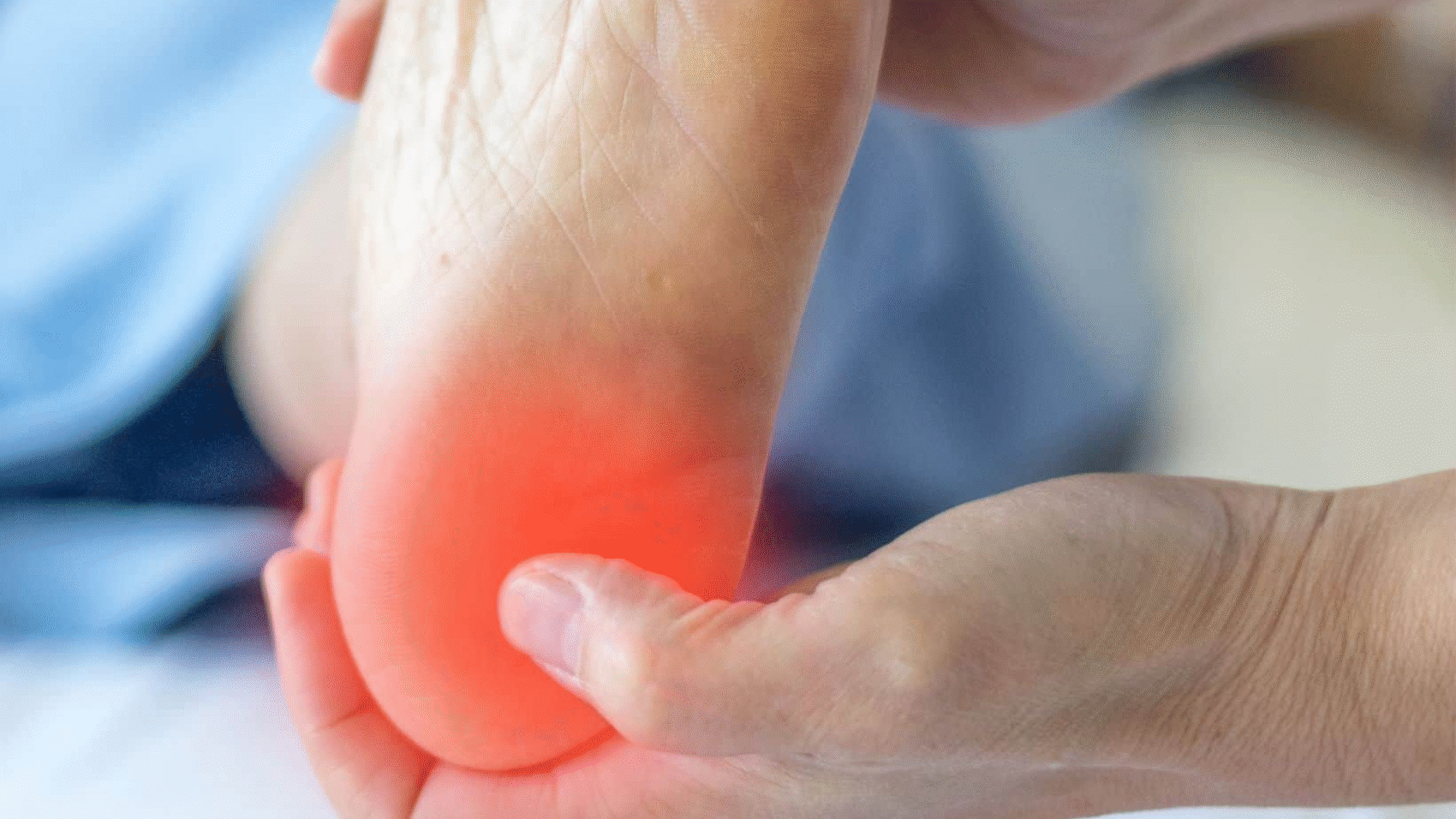
Heel pain when walking can be frustrating and even exhausting. Every step may feel sharp, sore, or uncomfortable, making simple daily activities like going to work, shopping, or exercising difficult. The good news is that heel pain is very common, and in most cases, it can be treated successfully with the right care and lifestyle changes.
In this article, we will explain the treatment for heel pain when walking, what causes it, how to relieve pain at home, when to see a doctor, and how to prevent it from coming back. Everything is written in simple language so it’s easy to understand and follow.
Understanding Heel Pain When Walking
Heel pain usually happens when the tissues, bones, or nerves in the heel become irritated or injured. The heel carries a lot of body weight, so even small problems can cause noticeable pain, especially when walking or standing.
Many people notice heel pain:
- First thing in the morning
- After long periods of standing
- During or after walking or exercise
- When wearing unsupportive shoes
Understanding the cause of your pain is the first step toward proper treatment.
Common Causes of Heel Pain
Before choosing the right treatment for heel pain when walking, it helps to know what might be causing it.
1. Plantar Fasciitis
This is the most common cause of heel pain. It happens when the plantar fascia (a thick band of tissue under the foot) becomes inflamed. Pain is usually sharp and worse in the morning.
2. Heel Spurs
Heel spurs are small bony growths on the heel bone. They often develop due to long-term strain on foot muscles and ligaments.
3. Achilles Tendinitis
Pain at the back of the heel can come from irritation of the Achilles tendon, especially in active people.
4. Overuse or Injury
Long walks, running, jumping, or standing for many hours can stress the heel.
5. Poor Footwear
Shoes without cushioning, arch support, or proper fit can increase heel pain.
Best Treatment for Heel Pain When Walking
Treatment depends on the cause and severity of the pain. Most people feel better with simple, non-surgical treatments.
1. Rest and Activity Modification
One of the most important treatments for heel pain when walking is rest. Continuing to walk or exercise through pain can make it worse.
What to do:
- Reduce walking or standing for long periods
- Avoid high-impact activities like running
- Take short breaks during the day
Giving your foot time to heal is essential.
2. Ice Therapy for Pain Relief
Applying ice can help reduce inflammation and pain.
How to use ice:
- Apply an ice pack to the heel for 15–20 minutes
- Do this 2–3 times a day
- You can also roll your foot over a frozen water bottle
Ice therapy is simple but very effective for heel pain.
3. Stretching Exercises
Stretching is a key part of treatment for heel pain when walking. Tight muscles in the foot and calf can pull on the heel and cause pain.
Helpful stretches include:
- Calf stretches
- Plantar fascia stretches
- Toe stretches
Stretch gently every morning and before walking. Over time, stretching improves flexibility and reduces pain.
4. Wearing Supportive Footwear
Shoes play a huge role in heel health. Wearing the wrong shoes can delay healing or make pain worse.
Choose shoes that have:
- Good arch support
- Cushioned heels
- Shock absorption
- Proper fit (not too tight or loose)
Avoid flat shoes, worn-out sneakers, or walking barefoot on hard floors.
5. Use Orthotic Inserts
Orthotic inserts or heel cups can provide extra support and cushioning.
Benefits of orthotics:
- Reduce pressure on the heel
- Improve foot alignment
- Support the arch
You can buy over-the-counter inserts or get custom ones from a podiatrist.
6. Pain Relief Medication
Over-the-counter pain relievers can help reduce discomfort.
Common options include:
- Ibuprofen
- Naproxen
- Acetaminophen
Always follow the dosage instructions and consult a doctor if needed.
7. Physical Therapy
If pain continues, physical therapy can be a powerful treatment for heel pain when walking.
A physical therapist may:
- Teach strengthening exercises
- Improve foot and ankle movement
- Use massage or ultrasound therapy
Physical therapy focuses on long-term healing, not just pain relief.
8. Night Splints
Night splints keep the foot stretched while you sleep. This can reduce morning heel pain, especially for plantar fasciitis.
They may feel uncomfortable at first, but many people find them very helpful.
9. Weight Management
Extra body weight increases pressure on the heels. Maintaining a healthy weight can reduce stress on your feet and improve healing.
Even small weight changes can make a big difference.
10. Medical Treatments (When Needed)
If home treatments do not help after several weeks, a doctor may suggest:
- Corticosteroid injections
- Shock wave therapy
- Advanced imaging tests
Surgery is very rare and only used in severe cases.
How Long Does Heel Pain Take to Heal?
With proper treatment for heel pain when walking, most people feel improvement within:
- A few weeks for mild cases
- 2–3 months for moderate pain
- Up to 6 months for severe conditions
Consistency is the key. Following your treatment plan daily leads to better results.
Preventing Heel Pain in the Future
Once your heel pain improves, prevention is important.
Tips to prevent heel pain:
- Stretch your feet daily
- Wear supportive shoes
- Replace worn-out footwear
- Avoid sudden increases in activity
- Listen to your body and rest when needed
Frequently Asked Questions (FAQs)
1. What is the best treatment for heel pain when walking?
The best treatment usually includes rest, stretching, supportive footwear, ice therapy, and orthotic inserts. Most people improve without surgery.
2. Can heel pain go away on its own?
Mild heel pain may improve with rest, but ignoring it can make it worse. Early treatment helps speed recovery.
3. Why is heel pain worse in the morning?
Morning pain is often caused by tight plantar fascia tissue that stretches suddenly when you stand after sleeping.
4. Should I keep walking if my heel hurts?
It’s better to reduce walking and avoid painful activities until the heel heals. Pushing through pain can slow recovery.
5. When should I see a doctor for heel pain?
See a doctor if pain lasts more than 2–3 weeks, gets worse, or affects your daily activities.
Final Thoughts
Heel pain when walking can affect your comfort, mobility, and quality of life, but it does not have to control your day. With the right treatment for heel pain when walking, most people recover fully and return to normal activities.
Simple steps like rest, stretching, supportive shoes, and proper care can make a big difference. Listen to your body, be patient with the healing process, and seek professional help if needed.