
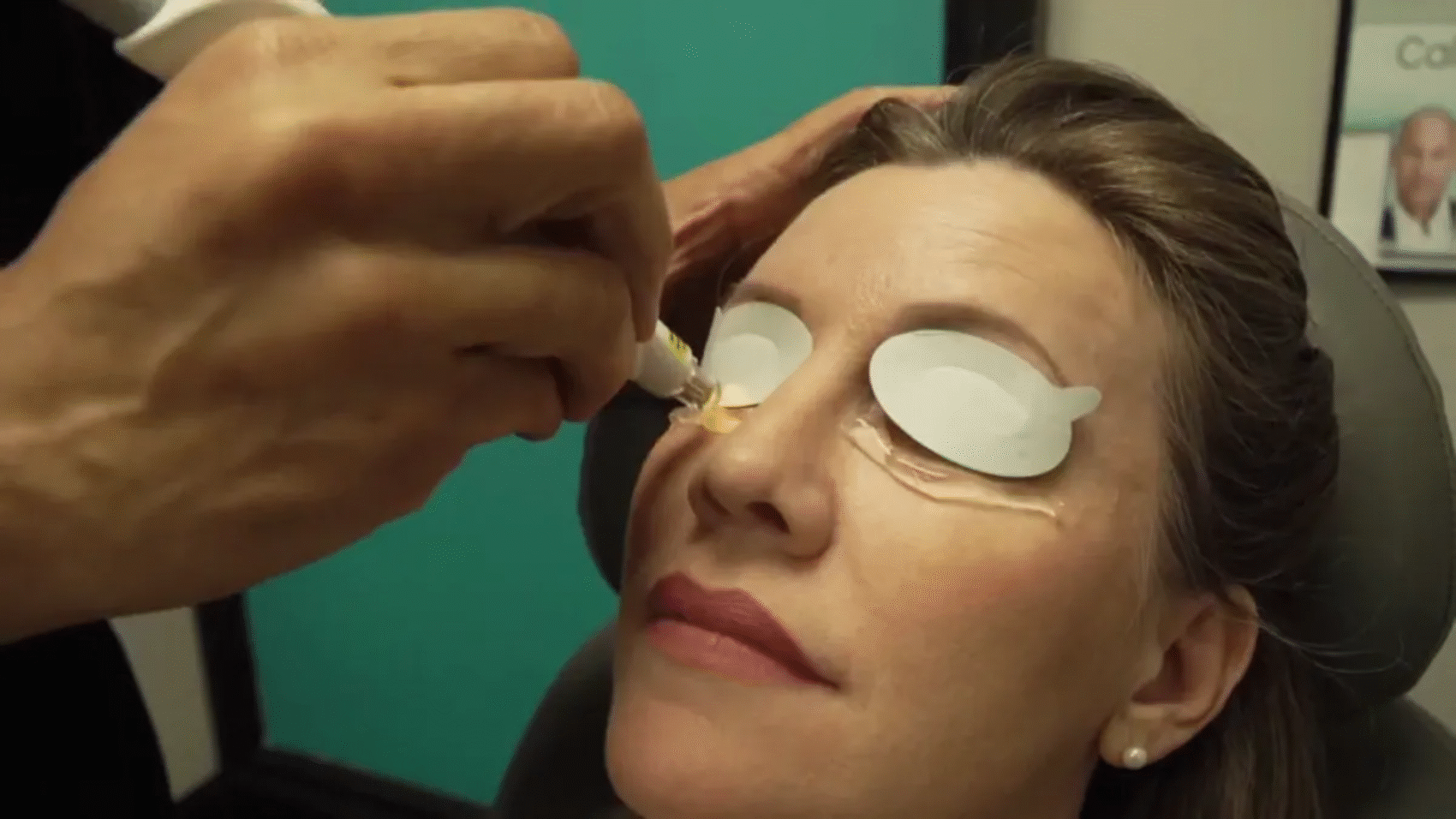
Dry eye syndrome is a common eye condition that affects millions of people worldwide. It occurs when your eyes don’t produce enough tears or when the tears evaporate too quickly, leaving your eyes dry, irritated, and uncomfortable. Although it’s not usually a serious condition, if left untreated, dry eyes can affect your quality of life, making it difficult to read, work on the computer, or even enjoy everyday activities.
The good news is that there are several treatment options for dry eye syndrome, ranging from simple home remedies to advanced medical therapies. In this article, we’ll explore the causes of dry eyes, the different treatment options, and tips to keep your eyes healthy.
Understanding Dry Eye Syndrome
Before diving into treatments, it’s important to understand why dry eyes happen. Dry eye syndrome can be caused by various factors, including:
- Aging – As we get older, tear production naturally decreases.
- Medical conditions – Conditions like diabetes, rheumatoid arthritis, or thyroid disorders can affect tear production.
- Medications – Some medications, such as antihistamines, antidepressants, and blood pressure drugs, can reduce tear production.
- Environmental factors – Wind, smoke, dry climates, and long hours in front of screens can contribute to dry eyes.
- Eyelid problems – Problems like eyelid inflammation or incomplete eyelid closure can lead to dry eyes.
Dry eye syndrome often causes symptoms like itching, burning, a gritty feeling, watery eyes (as a response to dryness), blurred vision, and sensitivity to light.
Treatment Options for Dry Eye Syndrome
Treating dry eyes usually depends on the severity and underlying cause of the condition. Here are the main treatment options:
1. Lifestyle and Home Remedies
For mild dry eyes, simple lifestyle changes can make a big difference:
- Take breaks from screens: Staring at computers or phones for long periods reduces blinking, which can worsen dryness. Practice the 20-20-20 rule: every 20 minutes, look at something 20 feet away for 20 seconds.
- Use a humidifier: Adding moisture to indoor air can prevent your eyes from drying out.
- Wear protective eyewear: Sunglasses or wraparound glasses protect your eyes from wind and dust.
- Stay hydrated: Drinking plenty of water helps your body maintain proper tear production.
- Warm compresses and eyelid massage: These can help unblock oil glands in the eyelids, improving the quality of tears.
2. Artificial Tears and Eye Drops
One of the most common treatments for dry eyes is over-the-counter artificial tears. These eye drops help lubricate your eyes and relieve discomfort. There are different types:
- Lubricating drops: Provide temporary relief from mild dryness.
- Preservative-free drops: Better for frequent use, as preservatives can sometimes irritate the eyes.
- Gel or ointment drops: Thicker and longer-lasting, usually used at night.
When using artificial tears, it’s important not to overuse them. Excessive use may lead to more irritation in some cases.
3. Prescription Medications
If over-the-counter options aren’t enough, doctors may prescribe medications that help increase tear production or reduce inflammation:
- Cyclosporine (Restasis): Helps stimulate tear production by reducing inflammation in the eyes.
- Lifitegrast (Xiidra): Another anti-inflammatory medication that helps improve tear production and relieve dryness.
- Short-term corticosteroids: Used for flare-ups of severe dry eye to reduce inflammation. These are typically prescribed for a limited period due to side effects with long-term use.
4. Punctal Plugs
For moderate to severe dry eyes, punctal plugs may be recommended. These are tiny devices inserted into the tear ducts to block drainage, keeping tears on the surface of the eye longer. Punctal plugs can be temporary (dissolvable) or permanent, depending on your needs.
5. LipiFlow and Other In-Office Treatments
Some dry eye cases are caused by blocked oil glands in the eyelids, known as Meibomian Gland Dysfunction (MGD). Treatments that help include:
- LipiFlow: A device that heats and massages the eyelids to unclog oil glands.
- Intense Pulsed Light (IPL) therapy: Helps reduce inflammation and improve oil gland function.
- Eyelid scrubs and medicated wipes: Used regularly to keep eyelids clean and reduce gland blockage.
6. Lifestyle Adjustments for Severe Cases
In some cases, people with chronic dry eyes may benefit from long-term strategies such as:
- Omega-3 fatty acid supplements: Found in fish oil or flaxseed oil, these can improve tear quality.
- Diet changes: A diet rich in fruits, vegetables, and healthy fats supports eye health.
- Environmental modifications: Avoiding direct exposure to air conditioning or heaters, and using moisture goggles for extended outdoor exposure.
When to See a Doctor
While mild dry eyes can often be managed at home, you should see an eye specialist if you experience:
- Severe or persistent eye pain
- Significant vision changes
- Redness or discharge from the eyes
- Dry eyes that don’t improve with over-the-counter treatments
An eye doctor can perform a detailed examination to determine the underlying cause and recommend the most effective treatment.
Prevention Tips
Preventing dry eyes is often easier than treating them. Some tips include:
- Take regular breaks during screen time.
- Avoid smoke and dusty environments.
- Blink frequently, especially during prolonged screen use.
- Use protective eyewear outdoors.
- Keep your eyes moisturized with appropriate drops.
FAQs About Dry Eye Syndrome
1. Can dry eyes cause permanent damage?
Most cases of dry eyes are not dangerous. However, chronic untreated dry eyes can lead to eye infections or damage to the cornea, so proper management is important.
2. Are there natural remedies for dry eyes?
Yes. Omega-3 supplements, warm compresses, staying hydrated, and eyelid hygiene can help. However, severe cases may need medical intervention.
3. How long does it take for treatment to work?
Relief varies. Artificial tears can provide immediate comfort, while prescription medications or in-office treatments may take several weeks to show significant improvement.
4. Can screen time worsen dry eyes?
Yes. Prolonged screen use reduces blinking and accelerates tear evaporation, making dry eyes worse.
5. Is dry eye syndrome related to aging?
Yes. Tear production naturally decreases with age, making older adults more susceptible to dry eye syndrome. Hormonal changes, especially in women, can also play a role.
Conclusion
Dry eye syndrome is a common but manageable condition. By understanding the causes and exploring the various treatment options—from simple home remedies and lifestyle changes to medical treatments like prescription medications or punctal plugs—you can find relief and protect your eye health. Early intervention is key, so don’t wait if you experience persistent dryness or discomfort. With proper care, you can keep your eyes healthy, comfortable, and clear.